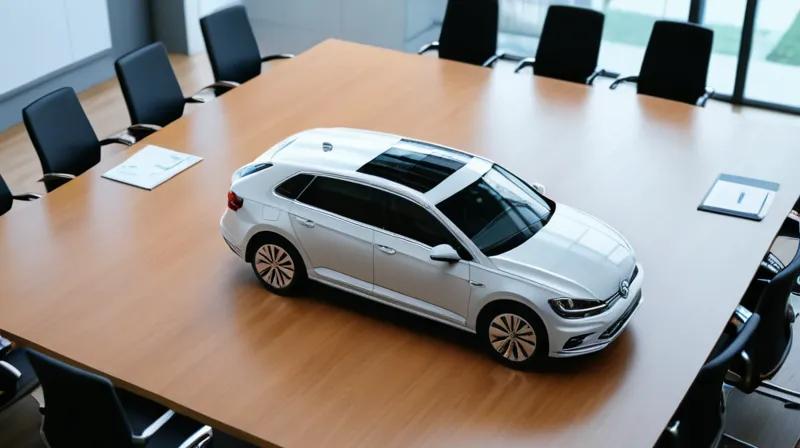
Volkswagen is calling for the European Union to implement higher tariffs on Chinese plug-in hybrid vehicles (PHEVs) after a dramatic shift in the European market. The move comes as Chinese automakers have rapidly gained ground, capturing 28% of Europe’s PHEV market in just a few years. Volkswagen CEO Oliver Blume stated that the company is seeking protection from what he describes as unfair competition from low-cost Chinese models.
Chinese Brands Surge in the European PHEV Market
The rise of Chinese automakers in Europe's PHEV segment has been swift and significant. The BYD Seal U has overtaken the Volkswagen Tiguan PHEV to become the top-selling plug-in hybrid in Europe, followed by the BYD Atto 2 and the Jaecoo 7. These three models are all manufactured by Chinese companies, signaling a major shift in the European automotive landscape.
This transformation is particularly striking given that the Tiguan PHEV had previously held a dominant position in the market. The drop in Volkswagen's rankings highlights the growing competitiveness of Chinese manufacturers, who are leveraging cost advantages and strong supply chains to gain market share.
Implications for the European Auto Industry
Blume’s demand for tariffs is not just a reaction to market changes but a strategic move to protect European industry. The European Commission is now under pressure to weigh in on the situation, as the influx of low-cost Chinese PHEVs could disrupt the existing market dynamics and affect local manufacturers.
Analysts suggest that while the EU may be tempted to impose tariffs to shield domestic brands, such actions could lead to trade tensions and higher consumer prices. The situation underscores the growing influence of Chinese automakers in global markets and the challenges faced by traditional European automakers in adapting to this new competitive environment.
Conclusion
As the European PHEV market continues to evolve, the debate over trade policies and market protection is likely to intensify. With Chinese brands rapidly gaining ground, the EU faces a critical decision on how to balance market openness with industry protection.