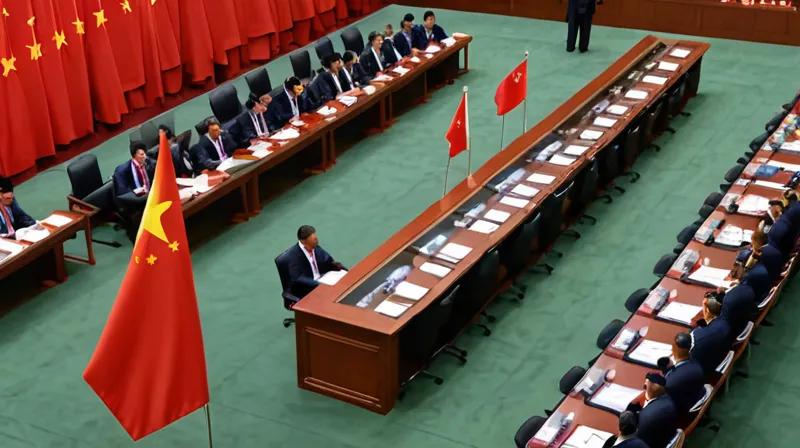
In a striking display of geopolitical contrast, Serbian President Aleksandar Vučić recently traveled to Beijing to secure a $1.1 billion investment package focused on artificial intelligence, robotics, and electric vehicles — just as his country grapples with widespread domestic unrest.
The investment, announced during Vučić’s visit, is part of China’s broader Belt and Road Initiative, aimed at expanding economic influence in the Balkans. The deal includes funding for infrastructure, technology development, and industrial projects, signaling a deepening of Serbia’s ties with Beijing. However, the timing of this high-profile diplomatic and economic move comes amid a surge in domestic discontent, with over 34,000 citizens taking to the streets in Belgrade demanding early elections and government accountability.
Protests and Political Tensions
The protests, which took place on Saturday, reflect growing frustration among Serbians over economic hardships, corruption, and a perceived lack of democratic progress. The demonstrations, organized by opposition groups, have highlighted a stark divide in the country’s political landscape. While Vučić’s trip to China underscores Serbia’s strategic pivot toward Asia, it also raises questions about the government’s priorities amid rising public dissent.
EU’s Inaction Under Scrutiny
Adding to the complexity, the European Union has yet to formulate a clear or unified response to the developments in Serbia. The EU’s delayed reaction has drawn criticism, especially as it faces increasing pressure to address the growing influence of China in the region. Analysts suggest that the EU’s hesitancy may be rooted in a lack of cohesive strategy and limited leverage over Serbia’s foreign policy decisions.
As Serbia balances its economic ambitions with internal political challenges, the $1.1 billion investment package may serve as both a symbol of China’s expanding global footprint and a test of Serbia’s ability to navigate complex international dynamics.