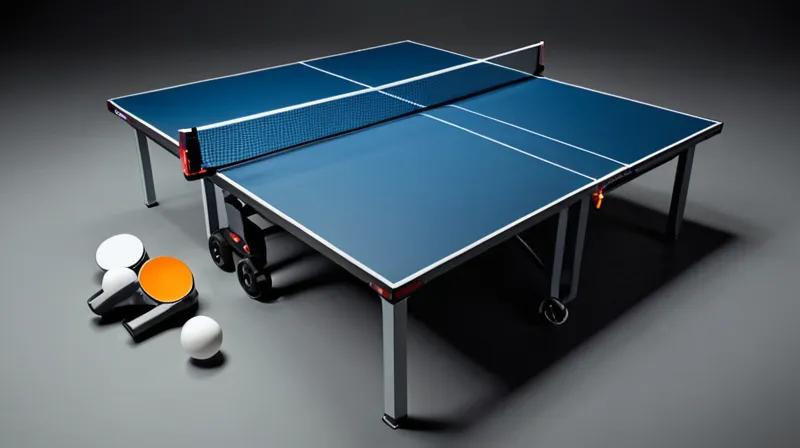
Japanese technology giant Sony has unveiled a revolutionary ping-pong robot that can compete with and defeat top-ranked human players. The robot, named Ace, represents a significant leap forward in AI-powered robotics, showcasing Sony's advanced capabilities in machine learning and precision engineering.
Breaking New Ground in Robotics
While robots capable of playing ping-pong have existed for decades, Sony's Ace stands out as the first to genuinely challenge elite human competitors. Unlike previous iterations such as Omron's FORPHEUS, which primarily entertained amateurs at consumer shows like CES 2017, Ace demonstrates a level of skill that rivals professional players. The robot's ability to consistently beat top-ranked humans marks a milestone in the evolution of AI-driven sports technology.
Technical Achievements and Implications
The robot's success stems from sophisticated machine learning algorithms that allow it to analyze and predict opponent movements with unprecedented accuracy. Sony's AI division has embedded advanced computer vision and real-time decision-making capabilities into Ace, enabling it to adapt its playing style dynamically. This technological advancement extends beyond mere entertainment, offering insights into how AI can be applied to complex, fast-paced environments that require split-second reactions.
Future Applications
The development of Ace suggests broader implications for AI research and applications. As robotics become more sophisticated, such advancements could translate into improved automation systems, enhanced training tools for athletes, and even new approaches to human-machine collaboration in competitive environments. Sony's achievement demonstrates the potential for AI to not just mimic human abilities, but to surpass them in specific domains.