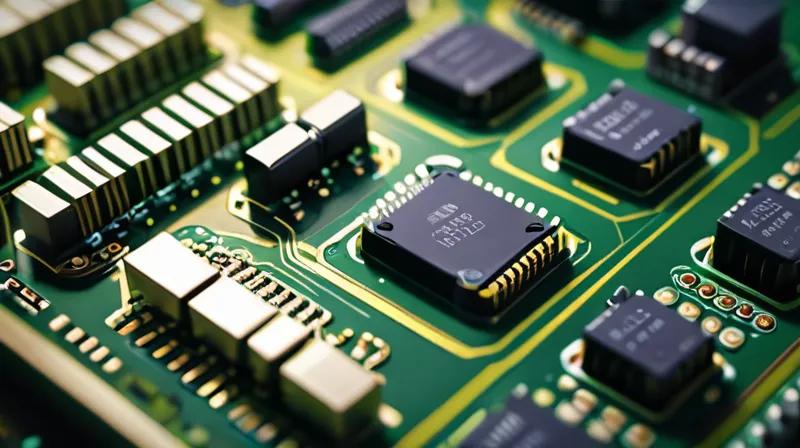
Waymo, the autonomous driving division of Alphabet Inc., has taken a significant step toward reducing its dependence on external semiconductor suppliers by developing its own custom chip for its robotaxis. This move marks a strategic shift in the company’s approach to self-driving technology, signaling a desire for greater control over performance, cost, and scalability.
Reducing Dependence on Nvidia
The new chip, designed specifically for Waymo’s self-driving systems, is intended to handle the complex computations required for real-time decision-making in autonomous vehicles. By building its own silicon, Waymo aims to minimize its reliance on Nvidia’s GPUs, which have been a cornerstone of many autonomous driving platforms. This transition could provide Waymo with better performance optimization and reduced dependency on third-party suppliers, especially as Nvidia faces supply constraints and rising costs in the AI chip market.
Strategic Implications
The development of an in-house chip also positions Waymo to better tailor its hardware to its specific software and data processing needs. With increasing competition in the autonomous vehicle space, having proprietary technology can offer a competitive edge. Industry analysts suggest this move could be part of a broader trend among tech giants to vertically integrate their AI and autonomous systems, ensuring better performance and reducing bottlenecks in the supply chain.
Looking Ahead
While Waymo’s chip is still in development, it could play a pivotal role in the company’s expansion of its autonomous ride-hailing service. The long-term goal is to scale its technology more efficiently and at a lower cost, potentially accelerating the deployment of robotaxis in more cities. This effort underscores the growing importance of hardware-software synergy in the autonomous vehicle industry.