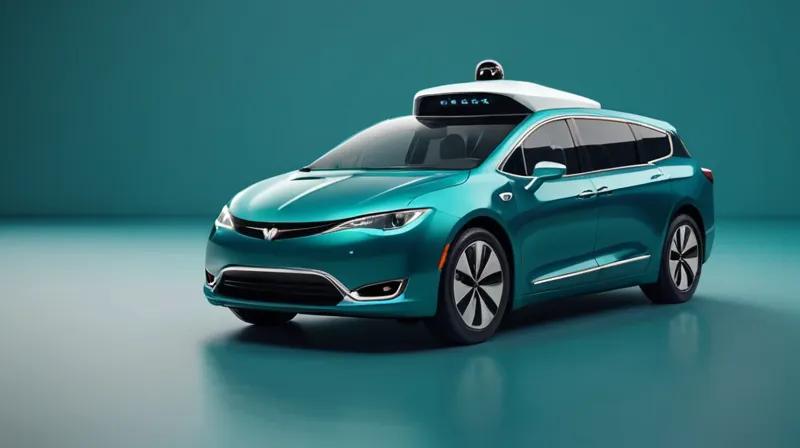
Waymo, the autonomous driving division of Alphabet Inc., has significantly ramped up its lobbying efforts in a bid to secure regulatory approval for fully autonomous robotaxi services. According to recent filings, the company has doubled its spending on lobbying activities, signaling a major escalation in its campaign to influence US transportation policy.
Regulatory Push for Autonomous Taxis
The tech giant is working to convince federal regulators, particularly the National Highway Traffic Safety Administration (NHTSA), to establish clear pathways for commercial deployment of self-driving taxis without human safety drivers. This regulatory push comes as Waymo faces increasing competition from companies like Uber, which has been aggressively pursuing its own autonomous vehicle ambitions.
Strategic Lobbying Amid Industry Competition
Waymo's intensified lobbying efforts reflect the high-stakes nature of the autonomous vehicle race. The company has been investing heavily in both technology development and regulatory navigation, recognizing that successful commercialization of driverless taxis will require not just technical prowess but also favorable regulatory frameworks. The increased spending suggests that Waymo is preparing for a prolonged regulatory battle to establish its autonomous taxi services as the industry standard.
Industry analysts note that the regulatory landscape for autonomous vehicles remains complex and fragmented, with different states implementing varying rules. Waymo's strategic investment in lobbying underscores the critical importance of regulatory clarity for the commercial viability of autonomous taxi services.
Looking Ahead
As Waymo continues to invest in both technology and regulatory advocacy, the company's approach highlights the growing recognition that autonomous vehicle deployment will require significant coordination between technology developers and government agencies. The outcome of these regulatory efforts could shape the future of urban transportation and define the competitive landscape for autonomous vehicle services.