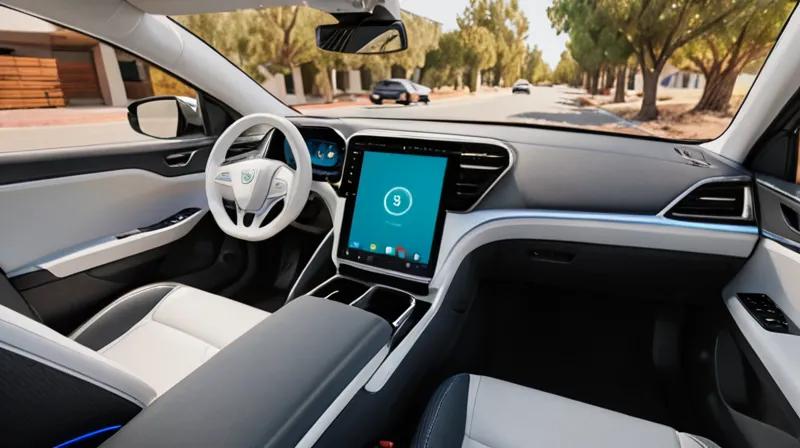
Waymo has taken a significant step forward in the evolution of autonomous ride-hailing with the launch of its new Ojai robotaxi, designed specifically for self-driving operations rather than adapted from existing models. This marks a shift toward purpose-built vehicles in the autonomous vehicle (AV) space, signaling a more streamlined and efficient approach to scaling AV technology.
Designed for Autonomy
The Ojai is powered by Waymo’s sixth-generation Driver system, a significant upgrade that enhances the vehicle’s perception, planning, and control capabilities. Unlike previous iterations that were often retrofitted from conventional cars, the Ojai was engineered from the ground up for autonomous operation, making it both more reliable and easier to maintain. The vehicle’s architecture is optimized for safety and performance, with a focus on reducing mechanical complexity and minimizing failure points.
Manufacturing in China
One of the most notable aspects of the Ojai is its construction on a platform developed by Zeekr, an electric vehicle brand under China’s Geely Holdings. This move underscores Waymo’s growing reliance on global manufacturing partnerships to reduce costs and improve scalability. While some may view this as a strategic pivot toward Chinese production, it also reflects the increasing integration of international supply chains in the AV industry. The collaboration with Geely highlights how companies are leveraging global expertise to accelerate innovation.
Implications for the Future
The introduction of the Ojai is not just a product launch—it’s a strategic statement about the future of autonomous ride-hailing. By building vehicles specifically for autonomy, Waymo is laying the groundwork for a more robust, cost-effective, and scalable fleet. This approach could influence competitors to rethink their own strategies, especially as the race to commercialize autonomous vehicles intensifies. With the Ojai already serving select passengers, the company is inching closer to its vision of widespread autonomous ride-hailing services.