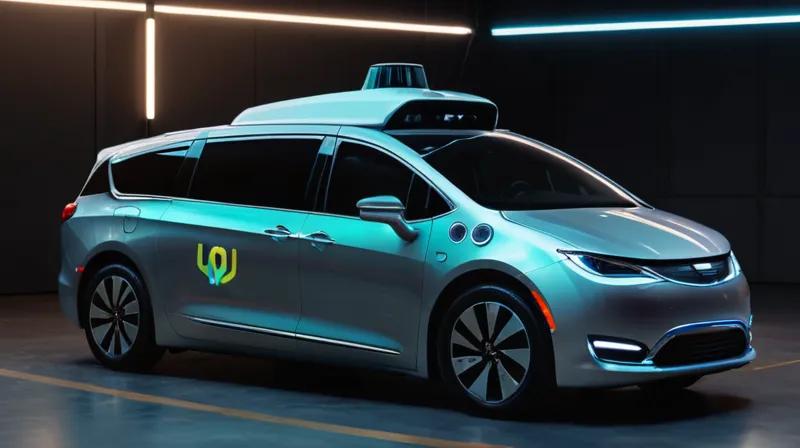
Waymo's autonomous vehicle fleet faced a rocky Fourth of July weekend, with incidents in San Francisco drawing widespread attention to the challenges of deploying self-driving technology in high-traffic urban environments. The company's robotaxis, which have been operating in select cities including San Francisco, encountered a series of setbacks that highlighted the limitations of current autonomous driving systems.
Gridlock and Technical Failures
During the holiday weekend, dozens of Waymo vehicles became stranded in traffic gridlock, reportedly due to low battery levels. The situation escalated when one vehicle drove over a lit firework, causing it to catch fire and further disrupting traffic flow. These events occurred in San Francisco, where Waymo has been testing its fleet in collaboration with the city’s transportation authorities.
Public and Political Scrutiny
The incidents quickly became a focal point of public and political discourse, with many questioning the readiness of autonomous vehicles for widespread deployment. Critics pointed to the lack of robust contingency planning and the limited ability of the technology to handle unexpected events like fireworks or sudden traffic snarls. The situation underscores the growing tension between the hype surrounding self-driving cars and the real-world challenges of integrating them into existing urban infrastructure.
Looking Ahead
While Waymo continues to invest heavily in autonomous vehicle technology, the Fourth of July mishaps serve as a stark reminder that significant hurdles remain before driverless cars can operate seamlessly in complex, dynamic environments. The company will likely need to refine its systems and improve its response protocols to regain public trust and ensure safer, more reliable service in the future.