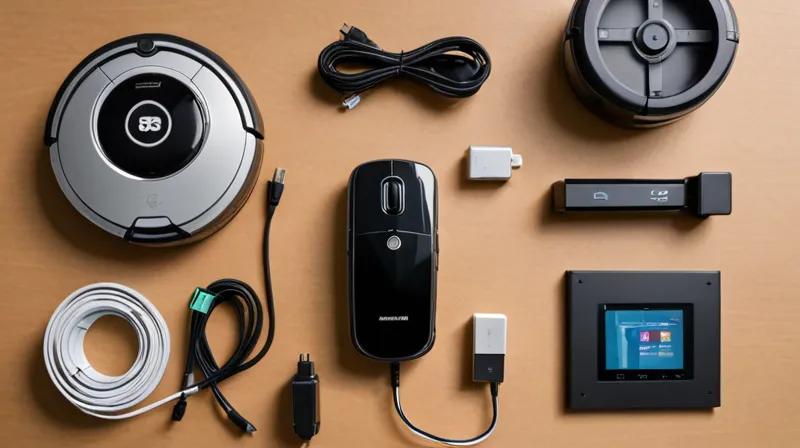
The Federal Communications Commission has announced a sweeping ban on foreign-made robot vacuums and lawn mowers, sending ripples through the consumer electronics market. The move targets devices manufactured in countries deemed to pose security risks, including many popular brands like Roomba, which has become a household staple in millions of homes across the United States.
Security Concerns Drive Regulatory Action
The FCC's decision stems from growing concerns about the potential security vulnerabilities embedded in foreign-manufactured smart devices. "These devices can serve as entry points for cyberattacks, potentially compromising home networks and personal data," said an FCC spokesperson. The ban specifically targets devices that use unlicensed radio frequencies and lack proper oversight mechanisms, raising alarms about the increasing integration of IoT (Internet of Things) devices in daily life.
Impact on Consumers and Manufacturers
For consumers, the ban means a significant shift in purchasing decisions. Brands like iRobot, which produces the Roomba line, may face supply chain disruptions and increased costs as they navigate new regulatory frameworks. "The ban could lead to a temporary shortage of these devices and potentially higher prices as manufacturers seek compliant alternatives," noted a consumer electronics analyst. Meanwhile, companies that have relied on overseas manufacturing may need to restructure their operations, possibly moving production to domestic facilities or finding new suppliers that meet FCC standards.
Broader Implications for the Smart Home Market
This regulatory move reflects a broader trend toward increased scrutiny of foreign technology in American markets. As smart home devices become more prevalent, the FCC's actions signal a growing emphasis on national security considerations. The decision could influence similar policies in other sectors and prompt further legislative action to protect domestic cybersecurity infrastructure.
The ban is expected to take effect in early 2025, giving manufacturers and retailers time to adjust their product lines and comply with new requirements.