Introduction
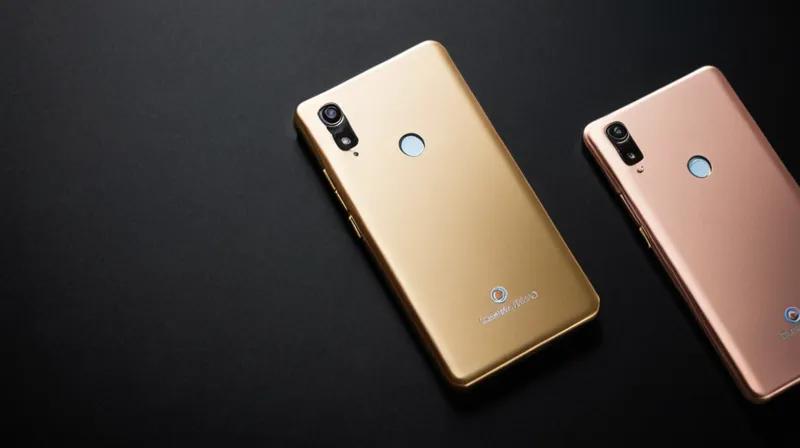
In today's tech world, color isn't just about aesthetics anymore. As reported by ZDNet, the tech industry is experiencing a major shift where vibrant colors are becoming the new standard for mobile devices and accessories. This tutorial will teach you how to create a simple color palette generator that can help you explore and select the perfect colors for your tech gadgets. This hands-on project will introduce you to basic web development concepts using HTML, CSS, and JavaScript, while demonstrating how color theory applies to modern technology design.
Prerequisites
To follow this tutorial, you'll need:
- A basic understanding of how websites work
- A text editor (like VS Code, Sublime Text, or even Notepad)
- A web browser to test your code
- No prior programming experience required - we'll explain everything step by step
Step-by-Step Instructions
Step 1: Create Your HTML Foundation
First, we need to create the basic structure of our webpage. HTML (HyperText Markup Language) is like the skeleton of a website - it defines what content goes where.
What You'll Do:
Create a new file called color-palette.html and paste this code:
<!DOCTYPE html>
<html lang="en">
<head>
    <meta charset="UTF-8">
    <meta name="viewport" content="width=device-width, initial-scale=1.0">
    <title>Tech Color Palette Generator</title>
    <link rel="stylesheet" href="style.css">
</head>
<body>
    <div class="container">
        <h1>Tech Color Palette Generator</h1>
        <button id="generateBtn">Generate New Palette</button>
        <div id="colorPalette" class="palette"></div>
    </div>
    <script src="script.js"></script>
</body>
</html>
Why this matters: This creates the basic webpage structure. The <div> elements are containers that will hold our color boxes, and the button will trigger our color generation.
Step 2: Style Your Page with CSS
CSS (Cascading Style Sheets) controls how your webpage looks - the colors, fonts, spacing, and layout. Think of it as the clothing and decoration for your webpage skeleton.
What You'll Do:
Create a new file called style.css and paste this code:
body {
    font-family: Arial, sans-serif;
    background-color: #f0f0f0;
    margin: 0;
    padding: 20px;
}

.container {
    max-width: 800px;
    margin: 0 auto;
    text-align: center;
}

h1 {
    color: #333;
    margin-bottom: 30px;
}

#generateBtn {
    background-color: #4CAF50;
    color: white;
    padding: 15px 32px;
    font-size: 16px;
    border: none;
    border-radius: 8px;
    cursor: pointer;
    margin-bottom: 30px;
    transition: background-color 0.3s;
}

#generateBtn:hover {
    background-color: #45a049;
}

.palette {
    display: flex;
    justify-content: center;
    gap: 15px;
    flex-wrap: wrap;
}

.color-box {
    width: 120px;
    height: 120px;
    border-radius: 10px;
    box-shadow: 0 4px 8px rgba(0,0,0,0.1);
    display: flex;
    align-items: center;
    justify-content: center;
    font-weight: bold;
    color: white;
    text-shadow: 1px 1px 2px rgba(0,0,0,0.5);
}
Why this matters: This makes your webpage look professional and user-friendly. The CSS creates a clean layout with a button that changes color when you hover over it, and color boxes that display your generated colors.
Step 3: Add Interactive Functionality with JavaScript
JavaScript is what makes websites interactive - it's the part that responds to your clicks and actions. In our case, we'll make the button generate new colors.
What You'll Do:
Create a new file called script.js and paste this code:
function generateRandomColor() {
    // Generate random RGB values
    const r = Math.floor(Math.random() * 256);
    const g = Math.floor(Math.random() * 256);
    const b = Math.floor(Math.random() * 256);

    // Return as RGB string
    return `rgb(${r}, ${g}, ${b})`;
}

function generatePalette() {
    const paletteContainer = document.getElementById('colorPalette');

    // Clear previous palette
    paletteContainer.innerHTML = '';

    // Create 5 color boxes
    for (let i = 0; i < 5; i++) {
        const colorBox = document.createElement('div');
        const color = generateRandomColor();

        colorBox.className = 'color-box';
        colorBox.style.backgroundColor = color;
        colorBox.textContent = color;

        paletteContainer.appendChild(colorBox);
    }
}

// Generate initial palette
generatePalette();

// Add event listener to button
document.getElementById('generateBtn').addEventListener('click', generatePalette);
Why this matters: This JavaScript code creates the magic behind our color generator. It generates random colors and displays them in boxes. The button click triggers a new set of colors every time you press it.
Step 4: Test Your Color Generator
Now it's time to see your creation in action!
What You'll Do:
- Save all three files in the same folder
- Open the
color-palette.htmlfile in your web browser - Click the "Generate New Palette" button multiple times
- Watch as new color combinations appear!
Why this matters: Testing helps you see if everything works correctly and gives you a chance to experiment with different color combinations - just like the tech industry is doing with vibrant colors for mobile devices.
Step 5: Understanding Color Theory in Tech
As mentioned in the ZDNet article, tech companies are moving away from all-black designs to incorporate more vibrant colors. This isn't just for looks - it's about personalization and user experience.
Each color you generate has a specific purpose:
- Red can convey energy and excitement
- Blue often represents trust and reliability
- Green suggests growth and harmony
- Yellow brings attention and optimism
Modern tech design uses these principles to create emotional connections with users, just like how companies are now using colorful phones and accessories to stand out in a crowded market.
Summary
In this tutorial, you've built a complete color palette generator that demonstrates how modern tech design incorporates vibrant colors. You learned how HTML structures a webpage, CSS styles it beautifully, and JavaScript makes it interactive. This simple project shows the same principles that tech companies use when they're choosing colors for their phones, laptops, and accessories.
As you continue exploring, consider how different color combinations might work for different tech products - perhaps a tech company might use bright blues for a productivity app, or warm oranges for a fitness tracker. The world of tech design is all about using color strategically to create better user experiences.