Tag
9 articles
This article explains the advanced architecture of Google's Tensor G6 chip and how it enables efficient mobile AI processing, examining the technical innovations that make modern smartphone AI capabilities possible.
UserLAnd has simplified running full Linux distributions on Android devices, making powerful Linux environments accessible to mobile users without requiring root access or complex setups.
This article explores how AI-driven optimization is reshaping smartphone storage needs, examining the complex interplay between machine learning algorithms, predictive caching, and storage efficiency for future device design.
Android's ability to run Linux GUI applications is advancing, but users must consider performance, battery life, and hardware limitations before adopting this functionality.
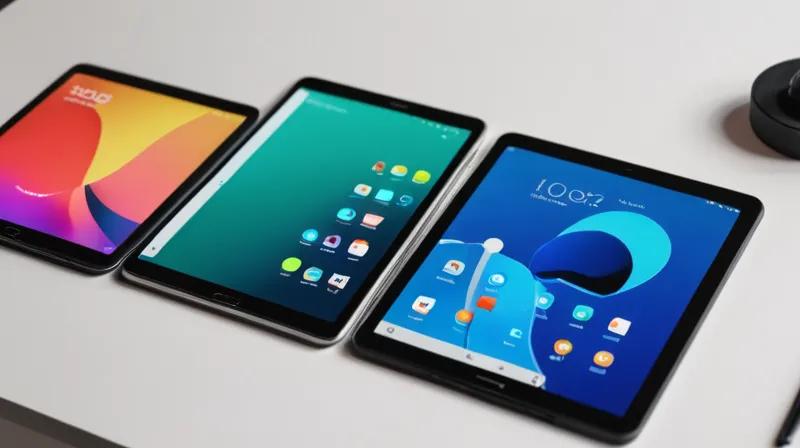
ZDNet's comprehensive lab testing reveals that Android tablets from Samsung, TCL, and other manufacturers are challenging Apple's iPad dominance in 2026.
This explainer article dives into the technical mechanisms of iPhone cache management and how clearing cache improves system performance through advanced memory management techniques.
Learn how Android's Desktop Mode transforms your phone into a productive desktop computer for free, using AI to optimize performance and adapt to different computing needs.
This explainer explores how Apple's neural engine optimization enables efficient AI processing in mobile devices, comparing the iPhone 17e's approach to the base iPhone 17 model.
Explains Neural Processing Units (NPUs) - specialized hardware for AI computations - and how they're revolutionizing mobile AI capabilities at MWC 2026.