Tag
16 articles
Learn how MiniMax-Music3, an open-source AI model, creates full five-minute songs from lyrics and structured captions. Understand its technology and why it matters for music creation.
Spotify will soon label and remove music from AI-generated artists, known as 'AI Personas,' from user recommendations starting in mid-September. The platform will display an 'AI Persona' badge on artist profiles and allow artists to disclose whether their content is AI-generated.
Learn what AI Personas are and why Spotify is labeling them to help users distinguish between real and artificial artists.
This article explains how AI music generators like Suno may violate copyright laws, even when they don't directly copy songs. It covers the basics of copyright, how AI learns from data, and what a recent German court ruling means for AI development.
This article explains the advanced AI concepts behind generative music systems like Suno, exploring how neural networks learn musical patterns and why their outputs can be technically impressive yet emotionally hollow.
Learn how AI incubator programs like Suno's Spark help independent artists develop their careers while improving AI music creation capabilities.
Learn to create a searchable music database using Python and SQLite, similar to the large datasets used to train AI models.
Deezer has launched a free tool to identify AI-generated tracks in playlists, even if they were created on other platforms like Spotify or Apple Music.
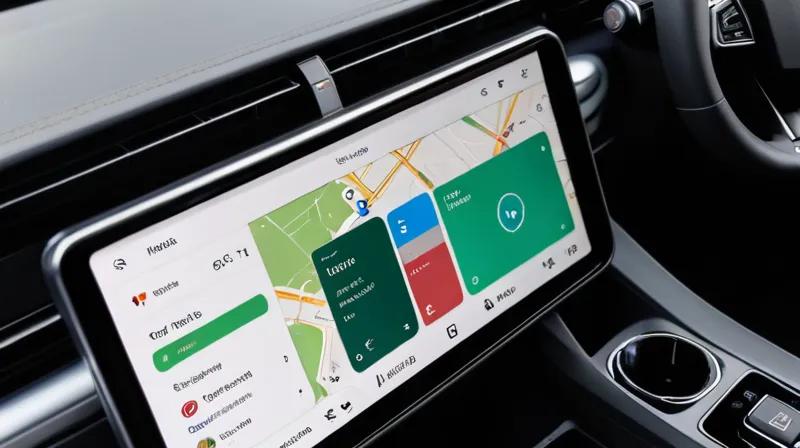
Android Auto has evolved beyond navigation and music, offering a comprehensive platform for road trip enthusiasts. Essential apps include Waze for traffic updates, podcasts for entertainment, and weather apps for trip planning.
Learn to build an AI remixing system using Spotify's API and audio processing libraries to create intelligent, high-quality remixes that respect original artists.
Learn to build an AI-powered music recommendation system using Spotify's audio features and machine learning algorithms. This intermediate tutorial teaches you how to create personalized track recommendations based on audio characteristics.
Folk musician Murphy Campbell discovered unauthorized AI-generated songs on Spotify, created from her YouTube vocals. The incident highlights the growing threat of AI manipulation in the music industry.