Tag
14 articles
This article explains how AI-powered surveillance systems work, the technical challenges they present, and the governance issues highlighted by Texas's decision to block funding for Flock cameras.
More than 15 politicians have signed the AI Pact, vowing to regulate data centers and AI safety. The initiative reflects growing bipartisan concern over the societal impact of artificial intelligence.
Kanishka Narayan has become the UK’s first cabinet-level minister for artificial intelligence, marking a pivotal moment in the nation’s approach to AI governance and strategy.
More than 200 economists and AI researchers, including 16 Nobel laureates, are warning that the economic impact of AI is accelerating rapidly and that immediate action is needed to prepare for its consequences.
Italian Prime Minister Giorgia Meloni said a social media ban for teens is not a complete solution, urging for a broader approach that includes education and parental involvement.
YouTube's crackdown on AI-generated 'slop' is inadvertently penalizing legitimate faceless creators, sparking concerns about policy overreach.
Bank of England Governor Andrew Bailey warned that AI may need to be rationed due to insufficient energy supply, highlighting the urgent need for sustainable computing solutions.
U.S. officials are reportedly considering government stakes in leading AI companies, signaling a potential shift in how the federal government approaches the fast-evolving AI landscape.
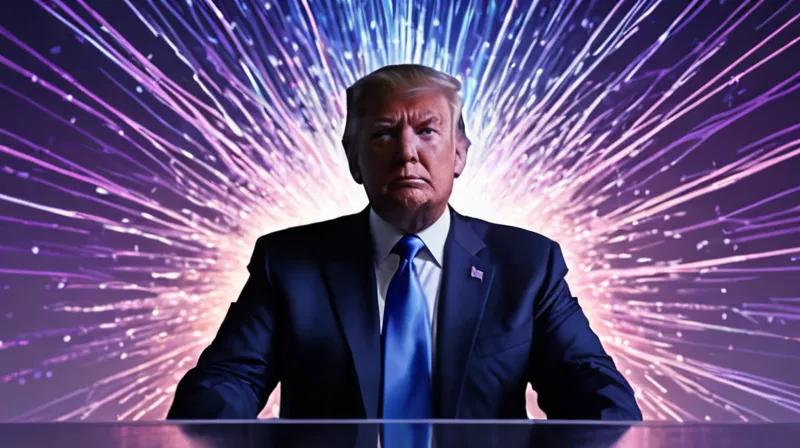
Former President Donald Trump has finally signed the long-delayed Artificial Intelligence executive order after shelving it last month. The move marks a significant step in establishing federal guidelines for AI governance.
This article explains how reinvestment zones function as a policy tool to attract major tech investments, using SpaceX's Terafab project as an example. It explores the intersection of public policy, semiconductor manufacturing, and AI development.
This explainer explains what a voluntary AI review system is and why it matters in the context of AI development and safety.
The Trump administration is locked in an internal battle over AI regulation, with three factions vying for control and threatening to stall crucial federal policy at a pivotal moment.