Tag
34 articles
MapQuest has introduced a new 'surveillance layer' feature that helps users locate Flock cameras and other security devices in their area, bringing back old surveillance technology for modern privacy needs.
Meta has decided to remove camera functionality from its latest smart glasses due to privacy concerns and public backlash against wearable surveillance technology.
New research reveals that people who claim they have 'nothing to hide' are more likely to spy on others, challenging common assumptions about digital privacy.
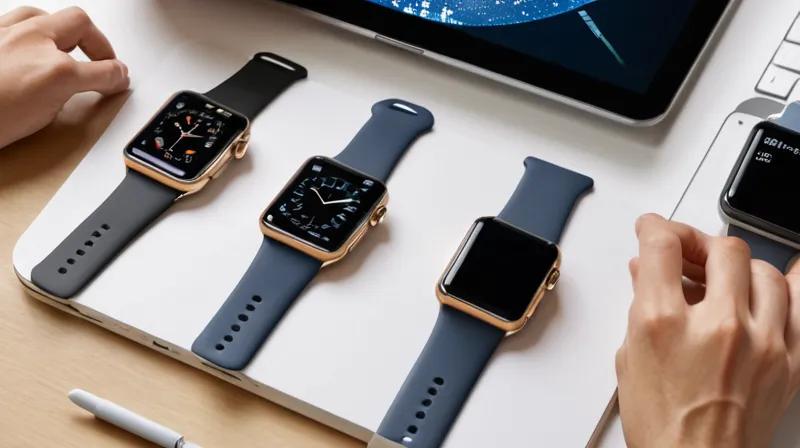
This explainer examines Apple's new ambient AI features on the Apple Watch, exploring how always-listening AI systems work, their privacy implications, and the broader societal impact of continuous audio monitoring.
A Georgia police officer allegedly used Flock, a location-sharing app, to track his ex-girlfriend and her friend after their affair ended, raising serious privacy concerns.
This explainer explains how AI-powered surveillance technology works and why it's causing public concern about privacy and potential misuse.
Comcast's new router motion detection feature raises privacy concerns as it could potentially share data with law enforcement. The technology, while marketed as a security tool, has sparked debate over user consent and data sharing practices.
Data centers have emerged as pivotal players in American politics, influencing elections and public discourse in unprecedented ways. The 2026 political landscape revealed how these digital infrastructure hubs are reshaping democratic processes.
Steve Elmers, known as the 'Guardrail Guy,' has been targeted after his viral videos exposing license plate readers were vandalized. His activism highlights growing concerns about government surveillance and digital privacy.
A Texas company has launched an AI system that monitors prison phone calls to identify speakers using voice biometrics, raising privacy concerns.
As law enforcement agencies increasingly adopt AI technologies, a new industry has emerged to supply these tools to police departments, raising concerns about privacy, bias, and accountability.
New York has banned recording eyewear in all 1,240 of its courts, marking the first such restriction in the U.S. The move targets smart glasses with recording capabilities, putting companies like Meta under scrutiny.