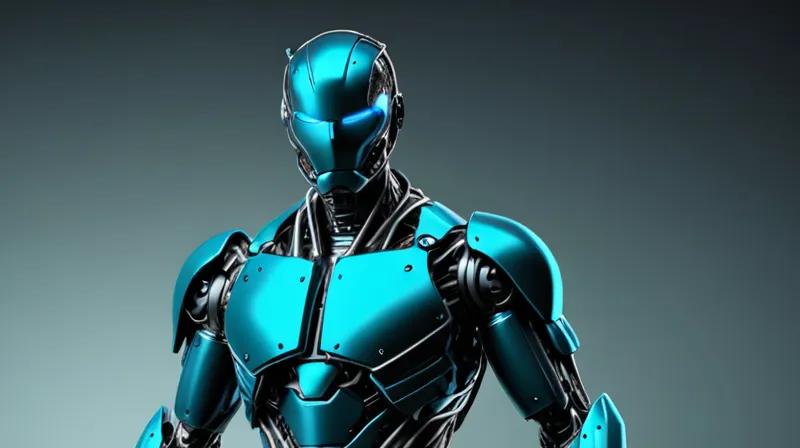
In a significant development at the intersection of robotics and military technology, Foundation Future Industries, a San Francisco-based startup founded in 2024, has reportedly deployed humanoid robots to Ukraine. The company, which has Eric Trump as an adviser, is working with Ukrainian officials and U.S. government support to test its Phantom MK-1 humanoid robots in a combat environment. This marks what is believed to be the first known deployment of such robots in an active war zone.
Testing in Combat Zones
The Phantom MK-1 robots were sent to Ukraine earlier this year as part of a U.S.-backed initiative to evaluate their potential in real-world scenarios. The primary focus of the tests has been on logistics and support roles, including carrying supplies, navigating difficult terrain, and potentially reducing the risk to human soldiers. Foundation Future Industries has not disclosed the full scope of the project, but initial reports suggest the robots are being used in non-combat situations to assess their reliability and functionality in harsh conditions.
Future Plans and Implications
The startup’s ambitions extend beyond Ukraine. Foundation Future Industries aims to have its humanoid robots deployed on U.S. front lines within 18 months. This aggressive timeline underscores the growing interest in autonomous systems for military use. With the involvement of high-profile figures like Eric Trump, the project has drawn attention not only for its technological implications but also for its political resonance. Analysts are closely watching how this development could influence the future of military robotics and the broader adoption of AI in defense systems.
What’s Next?
As the U.S. government continues to invest in autonomous technologies, the deployment of humanoid robots in conflict zones may become more common. Foundation Future Industries’ work in Ukraine could set a precedent for how such machines are integrated into military operations, raising both opportunities and ethical questions about the role of robotics in warfare.