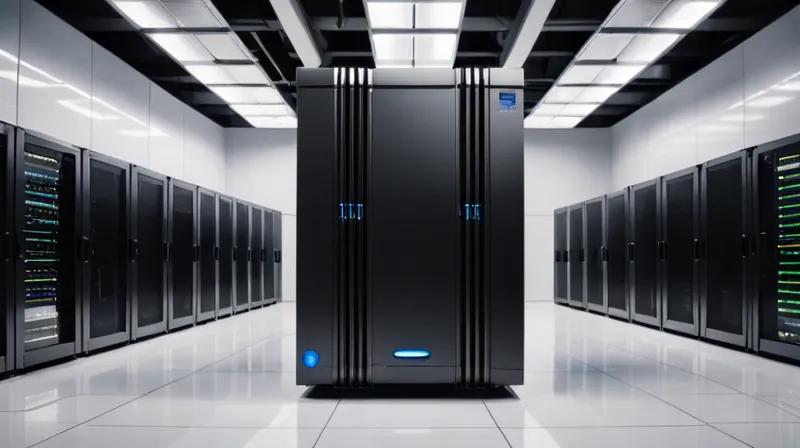
The Federal Energy Regulatory Commission (FERC) has taken a significant step to accelerate the development of AI data centers by granting them priority access to the electrical grid. This move, aimed at streamlining interconnection processes, could dramatically reduce the time and costs associated with bringing new data centers online.
Streamlined Interconnection Process
FERC's decision requires grid operators to provide data centers with a fast-track interconnection process, essentially creating a dedicated pathway through the power grid infrastructure. The commission argued that this approach would help meet the growing demand for computing power required by artificial intelligence applications, which are rapidly becoming central to business operations across industries.
The regulatory change is particularly important as AI workloads demand substantial energy resources. Data centers housing AI servers consume enormous amounts of electricity, making efficient grid access crucial for their operations. By prioritizing these facilities, FERC hopes to avoid bottlenecks that could slow down the expansion of AI capabilities in the United States.
Concerns Over Supply Shortages
However, the decision has raised concerns among energy experts who warn that it may exacerbate existing electricity supply shortages. While the fast lane addresses interconnection issues, it doesn't tackle the fundamental problem of power availability. As demand for electricity increases due to AI data centers and other high-consumption technologies, grid operators are struggling to meet growing needs.
Industry analysts suggest that without addressing supply constraints, the fast-track interconnection could lead to grid instability and higher electricity costs for all users. The decision reflects the tension between promoting technological advancement and ensuring reliable energy infrastructure.
Implications for the Future
This regulatory shift could significantly impact the AI industry's growth trajectory, potentially accelerating the deployment of new data centers. However, the long-term success of this approach will depend on whether grid operators can simultaneously expand electricity generation and distribution capacity.
As AI continues to reshape business operations, the interplay between energy policy and technology development will remain a critical area of focus for regulators, industry leaders, and energy providers alike.