Introduction
Imagine you're a detective trying to solve a mystery. You have a huge pile of clues, but you need to figure out which ones are actually important. That's exactly what pharmaceutical researchers face when they're trying to develop new medicines. They have thousands of potential drug molecules to consider, but only a few might actually work. Now, a new startup called 10x Science is using artificial intelligence to help sort through all these possibilities and identify the most promising ones.
What is AI in Drug Discovery?
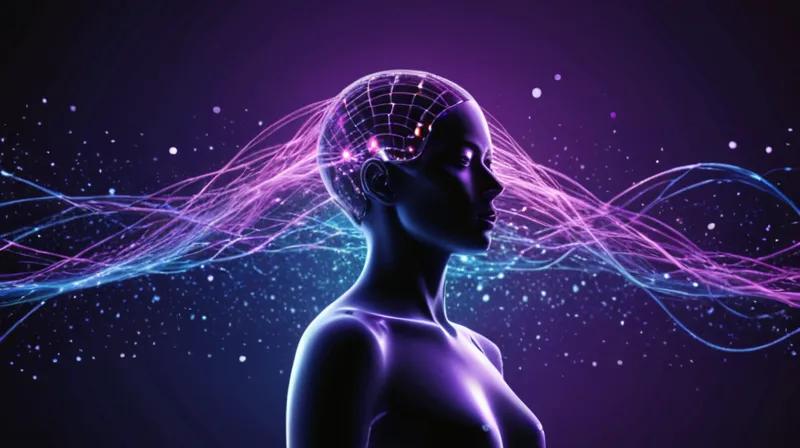
Artificial Intelligence (AI) in drug discovery is like having a super-smart assistant who can look at millions of molecular structures and predict which ones might be good candidates for new medicines. Think of it like having a brilliant chemist who never gets tired and can process information much faster than any human.
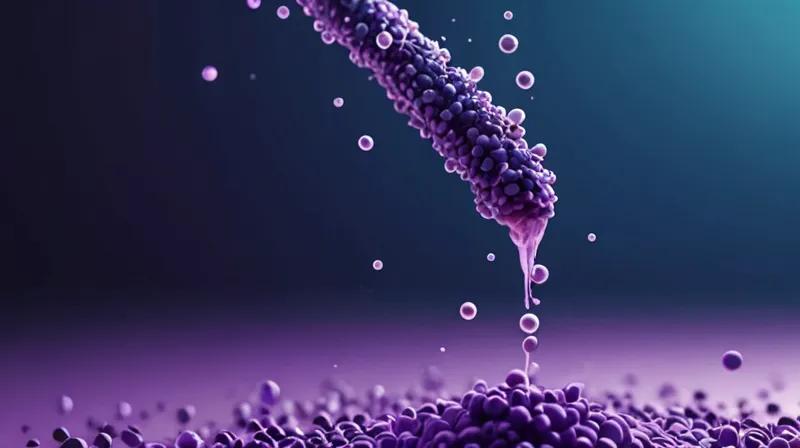
When scientists create new drugs, they start with molecules – tiny building blocks that have specific shapes and properties. These molecules can be thought of like puzzle pieces. Some puzzle pieces fit together perfectly to create a working medicine, while others don't fit at all or might even cause harm.
How Does AI Help in This Process?
AI works by learning from examples. Scientists show the AI thousands of molecules that have already worked as drugs, along with their structures and properties. The AI then learns patterns – like which shapes, sizes, or chemical features tend to make molecules effective medicines.
Imagine you're learning to identify good apples. You might notice that good apples are usually red, firm, and have a certain weight. AI does something similar with molecules – it learns to recognize which features make a molecule likely to become a successful drug.
Once the AI has learned these patterns, it can look at completely new molecules and predict how likely they are to work as medicines. This is like having a crystal ball that can guess which puzzle pieces will actually fit together to make a good medicine.
Why Does This Matter?
This technology matters because developing new drugs is incredibly expensive and time-consuming. It typically takes 10-15 years and costs billions of dollars to bring a new medicine to market. By using AI to narrow down the possibilities, researchers can focus their efforts on the most promising candidates.
Think of it like trying to find a needle in a haystack. Without AI, researchers might spend years looking through every single straw in the haystack. With AI, they can quickly identify the most likely spots where the needle might be hidden, saving both time and money.
This could lead to faster development of new treatments for diseases like cancer, Alzheimer's, or even rare genetic disorders. It's also helping researchers discover new uses for existing drugs – like how aspirin was originally developed for pain relief but later found to help prevent heart attacks.
Key Takeaways
- AI in drug discovery helps scientists quickly identify promising new molecules for potential medicines
- It works by learning patterns from examples of successful drugs
- This technology speeds up the drug development process, saving years and millions of dollars
- It's like having a super-smart assistant who can help solve complex molecular puzzles
- AI helps researchers focus their efforts on the most promising candidates rather than testing everything
Just like how we use search engines to find information quickly, AI is now helping researchers find the right molecules to create life-saving medicines. This is one of the most exciting applications of artificial intelligence in healthcare today.