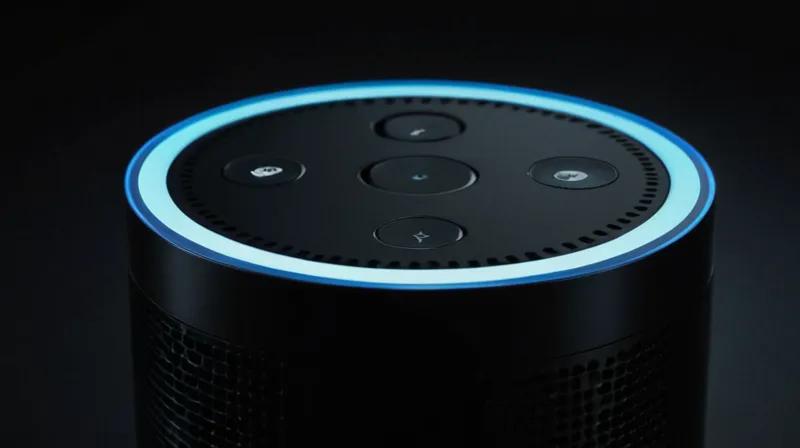
After a decade-long hiatus from the smartphone market, Amazon is reportedly preparing to re-enter the mobile space with a new device centered around its popular AI assistant, Alexa. According to a report from Reuters, the phone—code-named "Transformer"—is currently in development at the company and will focus heavily on integrating Alexa into everyday smartphone functions.
Strategic Shift from the Fire Phone
Amazon's previous attempt at a smartphone, the Fire Phone, was launched in 2014 but quickly faded from the market due to high pricing and limited app support. The company shelved the device just a year after its release, marking a significant setback in its mobile ambitions. However, the lessons learned from that experience appear to be shaping the strategy for Transformer.
The new phone won't necessarily run on Alexa as its primary operating system, signaling a more refined approach compared to the Fire Phone's all-or-nothing model. Instead, Amazon is aiming to make Alexa a core component of the user experience, potentially embedding voice-activated features throughout the device's interface. This approach aligns with Amazon's broader strategy of making AI more accessible and integrated into daily life.
Market Positioning and Future Implications
The smartphone market remains highly competitive, with established players like Apple, Samsung, and Google dominating the landscape. However, Amazon's entry could differentiate itself by emphasizing voice-first interactions and seamless integration with its ecosystem of smart home devices, Alexa skills, and Prime services. Analysts suggest that this move could help Amazon strengthen its position in the smart home market while also capturing a share of the growing voice-activated device segment.
While details remain sparse, the development of Transformer indicates that Amazon is serious about expanding its reach beyond its core e-commerce and cloud computing business. If successful, the device could serve as a new touchpoint for consumers to interact with Amazon's AI-driven services, reinforcing its vision of a connected, voice-enabled future.