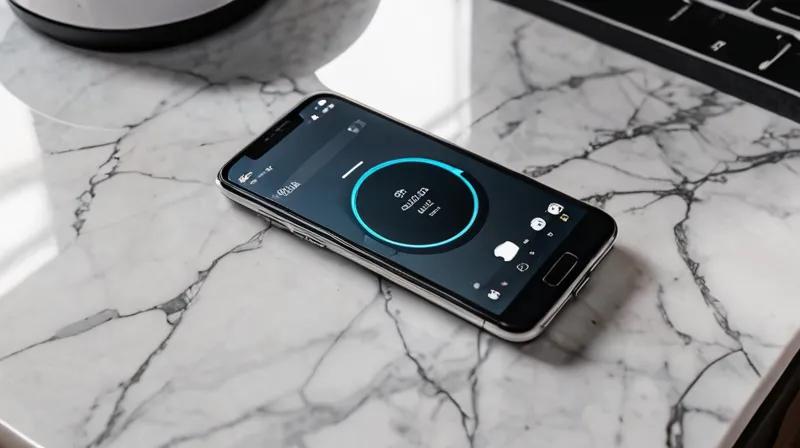
Google has unveiled its most significant update to Google Maps in over a decade, introducing two major new features that aim to transform how users interact with the navigation platform: Ask Maps and Immersive Navigation. These enhancements signal a major shift toward AI-powered assistance and immersive experiences, placing the company's Gemini AI model at the forefront of the platform's evolution.
Ask Maps: A Natural Language Revolution
The centerpiece of the update is Ask Maps, a natural language interface that allows users to pose questions about their surroundings in everyday terms. Whether a user wants to know where to find the nearest charging station when their phone is running low or how to navigate to a specific landmark, they can now simply ask the app for help. This feature leverages Google’s advanced AI capabilities to interpret queries and provide relevant, actionable directions and information.
Immersive Navigation: 3D Directions Redefined
Alongside Ask Maps, Google is introducing Immersive Navigation, which rebuilds directions in a three-dimensional format. This enhancement provides a more intuitive and visually engaging way to follow directions, especially in complex urban environments. By rendering streets, buildings, and landmarks in 3D, users can better anticipate turns and navigate more confidently.
What This Means for Google Maps
This overhaul marks a pivotal moment for Google Maps, which has long been a cornerstone of the company’s digital ecosystem. With these new features, Google is not only enhancing user experience but also positioning itself to compete more effectively with other navigation and location-based services. The integration of AI into core functionalities suggests a broader strategy to make Maps a more intelligent, proactive assistant rather than just a static map tool.
As Google continues to refine its AI offerings, the success of these new features will likely hinge on how well they integrate into users’ daily routines and whether they offer genuine utility beyond simple navigation.