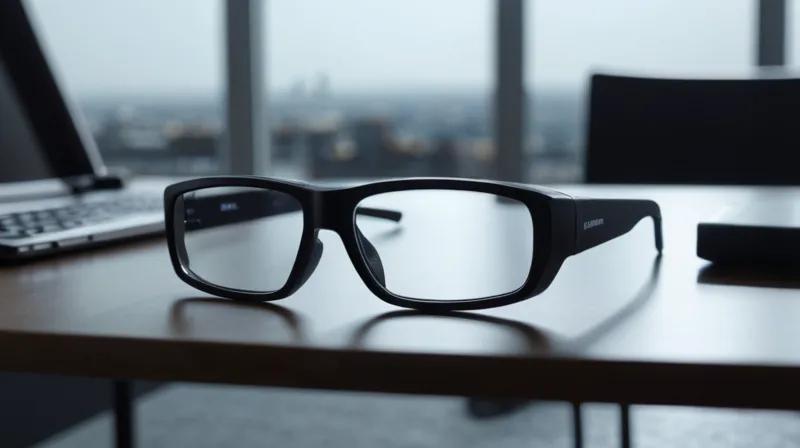
Samsung is making significant strides in the wearable technology space with its upcoming smart glasses, which are poised to seamlessly integrate with the Galaxy ecosystem. The company's latest announcement reveals that these glasses will feature an eye-level camera and leverage artificial intelligence to process and understand visual context in real time.
Eye-Level Camera and AI Integration
The smart glasses will incorporate a camera positioned at eye level, allowing for natural visual capture that aligns with human perspective. This design choice suggests Samsung is prioritizing user experience and practicality over traditional camera placements found in other wearable devices.
The integration of AI processing capabilities represents a key differentiator. Samsung's approach appears to focus on contextual understanding rather than simple data collection. The glasses will analyze visual information to provide intelligent assistance, potentially offering features like object recognition, translation, and navigation support.
Galaxy Ecosystem Integration
As part of Samsung's broader strategy, the smart glasses are designed to work harmoniously with existing Galaxy devices. This integration will likely enable seamless data transfer, shared connectivity, and unified user interfaces across Samsung's product lineup. The glasses may serve as a central hub for accessing Galaxy features, potentially extending the functionality of smartphones and tablets.
Industry analysts suggest this move positions Samsung to compete more effectively in the smart glasses market, which has seen limited success despite previous attempts by major tech companies. The company's emphasis on AI and ecosystem integration could address previous user concerns about device utility and interoperability.
Looking Ahead
While specific release dates remain undisclosed, Samsung's smart glasses represent a significant step toward more intuitive wearable technology. The combination of eye-level sensing and AI processing suggests a future where devices understand and respond to user needs proactively rather than reactively.
As Samsung continues to develop this technology, the company's success will hinge on balancing innovation with practical user adoption. The smart glasses could potentially redefine how users interact with visual information in their daily lives.