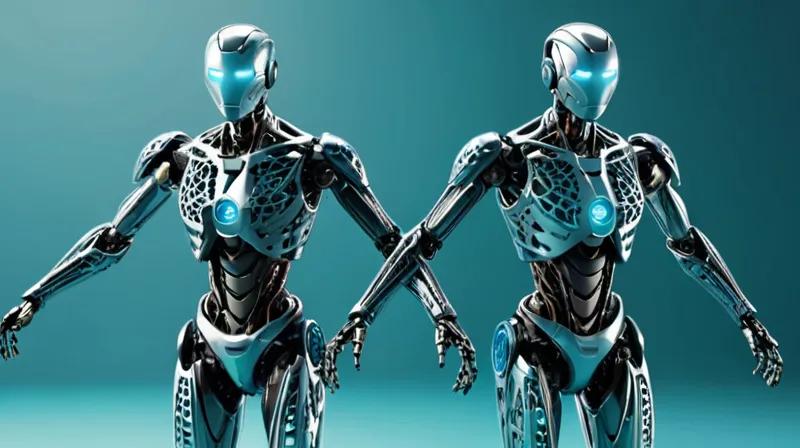
At the second annual humanoid robot half marathon held in Beijing, machines outperformed human runners in a striking demonstration of technological advancement. The event, which took place on Sunday, saw robotic participants complete the 21.1-kilometer course with significantly faster times than their human counterparts, marking a notable improvement from last year's competition.
Robotic Speed Surpasses Human Performance
The race, organized by Chinese tech companies and research institutions, showcased the rapid progress in humanoid robotics. This year's machines were able to maintain higher average speeds, with some robots finishing the course in under an hour—compared to the typical 1.5 to 2 hours required by human participants. The improved performance highlights advancements in locomotion systems, balance control, and AI decision-making capabilities.
Implications for Future Robotics
This event is more than just a novelty; it signals a growing trend in robotics aimed at real-world applications. As robots become more agile and autonomous, they are increasingly being considered for roles in logistics, search-and-rescue missions, and even personal assistance. The Beijing marathon serves as a benchmark for measuring the progress of humanoid robots in navigating complex, dynamic environments.
Looking Ahead
With each passing year, the gap between human and robot performance in endurance races continues to narrow, raising questions about the future of robotics in competitive and practical domains. While human runners rely on stamina and experience, robots are leveraging precision engineering and machine learning to optimize movement and efficiency.
The race is not only a celebration of technological progress but also a glimpse into a future where humanoid robots may become integral to everyday life.