Introduction
India's semiconductor industry is entering a new era with the inauguration of CG Semi's commercial chip production facility in Gujarat. This development is significant not only for India's tech ecosystem but also for understanding the complex landscape of semiconductor manufacturing. At the heart of this story lies the concept of outsourced semiconductor assembly and test (OSAT), a critical component in the global chip supply chain. This article will explore what OSAT is, how it functions, and why it matters in today's AI and technology landscape.
What is OSAT?
OSAT stands for Outsourced Semiconductor Assembly and Test. It refers to a business model where semiconductor manufacturers contract third-party companies to handle the physical assembly and testing of integrated circuits (ICs). These third-party providers specialize in the packaging and testing phases of chip production, which are distinct from the actual fabrication process.
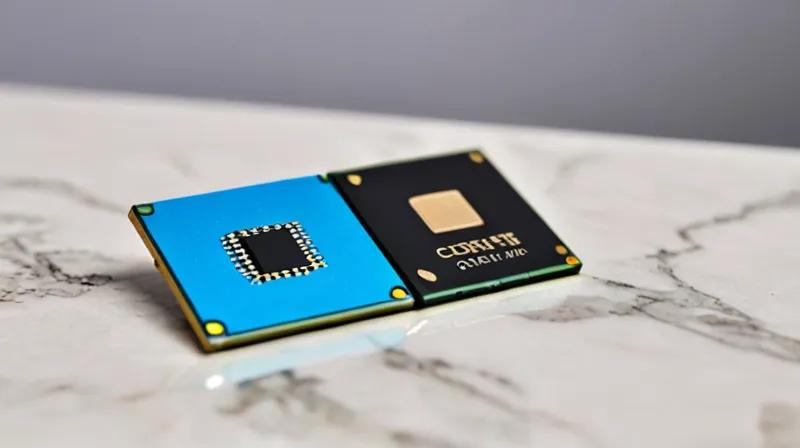
In the semiconductor industry, chip production involves several stages: design, fabrication (wafer manufacturing), assembly, and testing. OSAT companies focus specifically on the latter two stages, where fabricated wafers are cut into individual chips, packaged, and tested for functionality. This specialization allows semiconductor companies to outsource these tasks while concentrating their efforts on design and fabrication.
How Does OSAT Work?
The OSAT process can be broken down into several key steps:
- Chip Packaging: Individual dies (chips) are mounted onto a substrate or package, often using techniques like flip-chip bonding or wire bonding. This step ensures that the chip can be physically connected to a circuit board.
- Encapsulation: The chip is then sealed in a protective casing, typically made of plastic or ceramic, to shield it from environmental factors.
- Testing: Each packaged chip undergoes functional testing to ensure it meets performance specifications. This includes electrical testing, thermal testing, and sometimes stress testing under various conditions.
OSAT providers like CG Semi operate at a massive scale, often handling millions of chips annually. They utilize highly specialized equipment and processes, including automated optical inspection systems, automated test equipment (ATE), and advanced packaging technologies such as 3D stacking and system-in-package (SiP).
Why Does OSAT Matter?
OSAT plays a pivotal role in the semiconductor ecosystem for several reasons:
- Economies of Scale: By specializing in assembly and testing, OSAT companies can achieve significant cost efficiencies. They invest heavily in automation and process optimization, which allows them to handle large volumes at lower per-unit costs.
- Global Supply Chain Integration: OSAT providers often operate in regions with lower labor costs, such as Asia, making them attractive partners for global semiconductor companies. This integration allows for a more efficient global supply chain.
- Flexibility and Speed: OSAT companies offer flexibility in handling various chip designs and testing requirements, enabling faster time-to-market for semiconductor products.
- AI and IoT Applications: As AI and IoT devices become more prevalent, the demand for specialized chip packages and testing has increased. OSAT providers must adapt to new packaging technologies to meet these demands.
For AI development, OSAT is particularly crucial because AI chips often require specialized packaging to handle high power consumption and complex interconnects. The ability to efficiently package and test these chips is essential for bringing AI technologies to market.
Key Takeaways
- OSAT refers to the outsourcing of semiconductor assembly and testing processes to specialized third-party providers.
- These companies handle chip packaging, encapsulation, and functional testing, allowing original equipment manufacturers (OEMs) to focus on design and fabrication.
- OSAT providers like CG Semi operate at massive scales, leveraging automation and specialized equipment to achieve cost efficiencies.
- As semiconductor technologies evolve, particularly in AI and IoT, OSAT plays an increasingly critical role in enabling rapid innovation and time-to-market.
- The Gujarat facility represents India's growing role in the global semiconductor supply chain, particularly in the assembly and testing segment.
CG Semi's entry into commercial production marks a significant step in India's ambition to become a major player in the global semiconductor industry, particularly in the OSAT domain. As AI continues to drive demand for advanced chip technologies, understanding the role of OSAT becomes essential for grasping the broader dynamics of modern semiconductor manufacturing.