Understanding Jury Selection in AI Cases
Introduction
Recently, a high-profile legal case between Elon Musk and Sam Altman has brought a new challenge to the courtroom: jury selection. This case isn't just about two tech billionaires - it's about how artificial intelligence (AI) is changing the way we think about fairness in courtrooms. When people already have strong opinions about someone like Elon Musk, it makes it harder for judges to find a fair jury. This situation shows how AI's growing presence in our lives is creating new problems in our legal system.
What is Jury Selection?
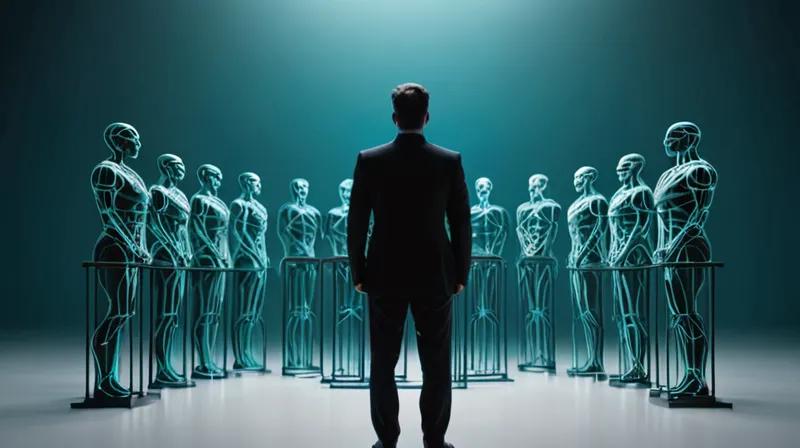
Jury selection is the process where judges and lawyers pick people to serve as jurors in a trial. Think of it like choosing team members for a game - everyone needs to be fair and able to make decisions based only on the evidence presented in court, not personal opinions or feelings.
Imagine if you were picking team members for a school project, but some kids already hate the teacher or really like the teacher. It would be hard to find people who can be completely fair and make decisions based only on facts, right? That's exactly what happens in jury selection.
How Does This Work with AI?
When people already have strong feelings about someone famous like Elon Musk, it creates a problem called 'prejudice.' Prejudice means having a bias or unfair opinion before hearing all the facts. In this case, many people have already formed opinions about Musk, which makes it difficult for the court to find jurors who can be truly fair.
It's similar to how a weather forecast might be affected by someone's preconceived notions. If you think it's going to rain just because you saw dark clouds, but you haven't actually checked the weather report, you're letting your bias affect your judgment. Similarly, people's pre-existing opinions about Musk make it hard to find jurors who can set aside their feelings and focus only on the legal facts.
When the court is trying to select a jury for this case, they must find people who can judge based on the law and evidence, not personal feelings about Musk. This is why it's so challenging - people have already formed opinions, making it hard to find truly impartial jurors.
Why Does This Matter?
This situation matters because it shows how our society is changing. As AI becomes more important in our lives, we're seeing more high-profile cases involving tech figures. These cases are different from regular legal matters because they involve people who are famous and have strong opinions about them.
When famous people are involved in court cases, it's like having a celebrity in a school play - everyone already knows how they are, so it's harder to find people who can be completely objective. This is a problem because fairness in court is very important. Everyone deserves a fair trial, but when people already have strong feelings about someone, it makes that fairness harder to achieve.
It also shows how our legal system is adapting to new challenges. Courts are learning that they need to be more careful about finding fair jurors when famous people are involved, especially when the case involves new technology like AI.
Key Takeaways
- Jury selection is the process of picking fair people to decide court cases
- When people already have strong opinions about someone, it's harder to find impartial jurors
- This problem is becoming more common as famous tech figures get involved in legal cases
- It shows how our legal system is adapting to new challenges in the age of AI
- Fairness in court is very important, but it's harder to achieve when people have pre-existing opinions
This case reminds us that even as technology advances, we still need to make sure everyone gets a fair chance in court, regardless of whether they're famous or not.