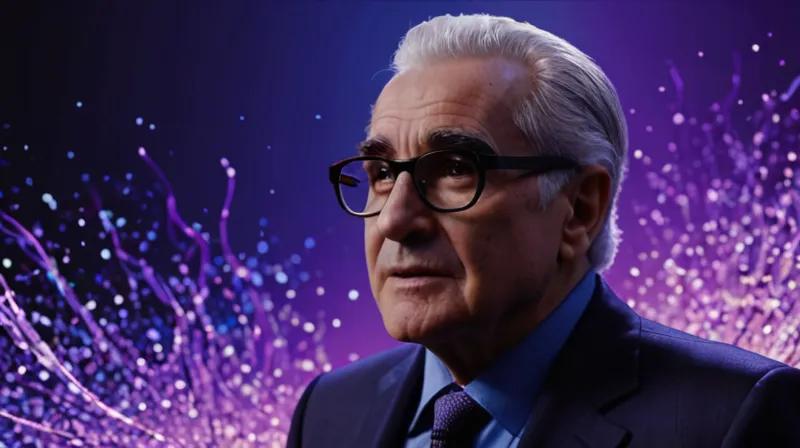
Acclaimed filmmaker Martin Scorsese has entered the AI conversation, but not in the way many might expect. The veteran director, known for classics like Raging Bull and Goodfellas, is leveraging artificial intelligence not for content creation, but for storyboarding—a crucial early stage in film production where visual narratives are mapped out before filming begins.
Unlikely AI Advocate
Scorsese's involvement marks a surprising turn in the ongoing debate about AI's role in creative industries. While many Hollywood figures have voiced concerns about AI potentially displacing human creativity, the director's approach is more pragmatic. His focus on using AI for storyboarding represents a strategic embrace of technology that enhances rather than replaces traditional filmmaking processes.
Practical Applications in Film
The storyboarding process typically involves creating a series of sketches or visual representations of scenes to guide production. Scorsese's use of AI tools allows him to generate preliminary visual concepts more quickly, potentially saving valuable time in the pre-production phase. This approach aligns with broader industry trends where filmmakers are increasingly adopting AI as a production aid rather than a replacement for human artistry.
Industry analysts suggest Scorsese's involvement could influence how other filmmakers approach AI integration. His reputation and influence may help normalize the use of AI tools in creative workflows, particularly in areas where human creativity and technological efficiency can complement each other.
Looking Forward
As AI continues to evolve, Scorsese's storyboarding initiative highlights the potential for technology to enhance creative processes rather than dominate them. His approach offers a middle ground in the AI debate, demonstrating how established artists can adapt to new tools while maintaining their creative integrity.


