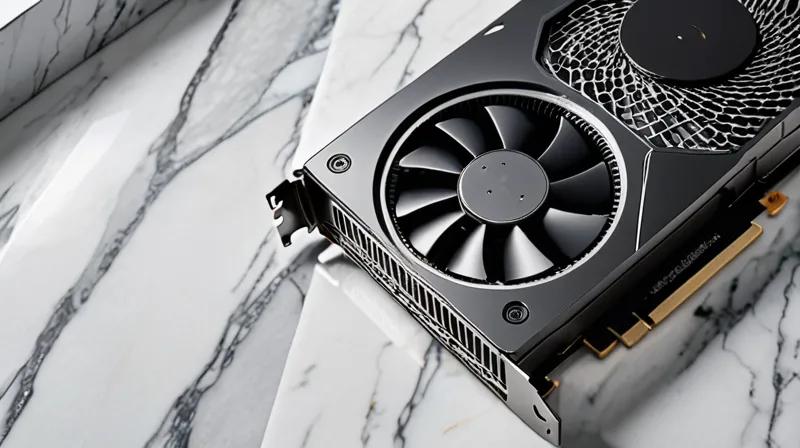
Meta is making a significant push into custom AI hardware with the development of four new chips designed to power its artificial intelligence and recommendation systems. The company's new MTIA processors represent a strategic move to reduce reliance on external hardware providers like Nvidia, even as Meta continues to invest billions in acquiring and deploying cutting-edge technology from industry leaders.
Building In-House AI Capabilities
The MTIA chips are part of Meta's broader effort to develop proprietary hardware that can efficiently handle the computational demands of its AI models and content recommendation algorithms. This initiative reflects the company's recognition that relying on third-party processors may not be sustainable for long-term AI development and operational efficiency. By creating custom silicon, Meta aims to optimize performance while potentially reducing costs and improving control over its AI infrastructure.
Strategic Implications
While Meta's investment in Nvidia hardware remains substantial, the development of these new chips signals a shift toward greater vertical integration. The tech giant is likely seeking to future-proof its AI capabilities and maintain competitive advantages in an increasingly crowded AI landscape. This approach also aligns with broader industry trends, where major players are investing heavily in custom hardware to support their AI ambitions.
Meta's chip development efforts underscore the growing importance of specialized AI processors in powering next-generation technologies. As the company continues to expand its AI footprint, these new chips could play a crucial role in supporting everything from language models to personalized content delivery.