Introduction
Imagine a future where the massive energy needs of artificial intelligence (AI) are powered by solar energy beamed down from space. This is exactly what Meta, the company behind Facebook, is trying to do. They've signed a deal to potentially use solar power from space to power their AI data centers. But there's a big catch: this technology doesn't exist yet. Let's break down what this means and why it matters.
What is Space-Based Solar Power?
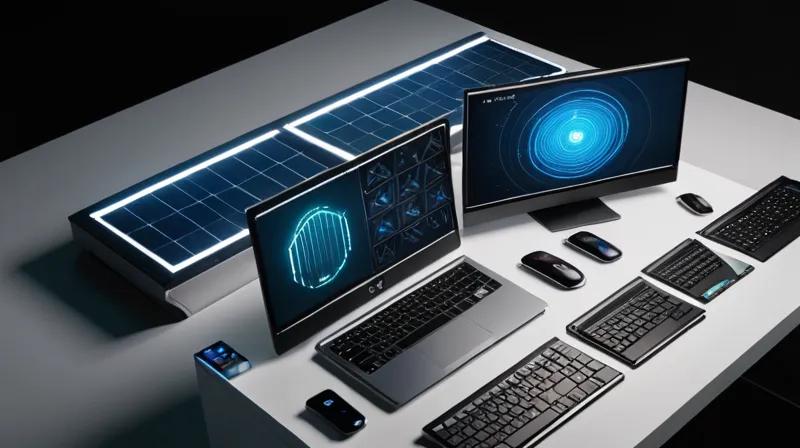
Space-based solar power (SBSP) is a concept where solar panels are placed in space, typically in orbit around Earth. These panels collect sunlight, which is much stronger in space because there's no atmosphere to block it. The energy is then converted into electricity and sent down to Earth, where it can be used to power homes, businesses, and even AI data centers.
To understand this better, think of it like this: if you're in a sunny field on Earth, you get some sunlight. But if you were to place a solar panel on the roof of a tall building, you'd get even more sunlight because you're higher up and not blocked by anything. Now imagine placing that solar panel in space, where there's no atmosphere at all — that's the idea behind space-based solar power.
How Does It Work?
The process of space-based solar power involves several steps:
- Collecting Energy: Solar panels in space capture sunlight. Since space is outside Earth's atmosphere, these panels receive more intense sunlight than those on Earth.
- Converting Energy: The sunlight is converted into electricity (this is the same process as regular solar panels, but it's more efficient in space).
- Beaming Energy: The electricity is then sent down to Earth using wireless transmission, usually via microwaves or lasers. It's like sending a signal from a satellite, but instead of data, it's energy.
- Receiving Energy: On Earth, special receivers capture this energy and convert it into electricity that can be used by power grids or directly by devices like AI data centers.
This is similar to how a wireless charger works for your phone, but on a much larger scale. Instead of charging your phone, it's charging an entire data center.
Why Does It Matter?
AI data centers are incredibly energy-hungry. They're like giant computers that need a lot of electricity to run. For example, training a single large AI model can use as much energy as a small city. As AI becomes more powerful and widespread, the demand for energy keeps growing.
Space-based solar power could offer a sustainable solution to this problem. Unlike fossil fuels, solar energy is renewable and doesn't create pollution. It also offers a consistent energy source, as solar panels in space would always face the sun, unlike Earth-based panels that are affected by weather and night.
However, there are challenges. The technology is still in the early stages of development. It's expensive to launch materials into space, and the process of sending energy wirelessly from space to Earth is still being perfected. But the potential benefits make it an exciting area of research.
Key Takeaways
- Space-based solar power is a new idea where solar panels in space collect sunlight and beam it down to Earth as electricity.
- It could help power AI data centers in a clean and sustainable way.
- While the idea is promising, the technology is still being developed and isn't available yet.
- It's like having a super-efficient solar panel in space that can power entire cities.
As we move forward, space-based solar power might become a key part of how we power the future — especially as AI becomes more central to our lives.