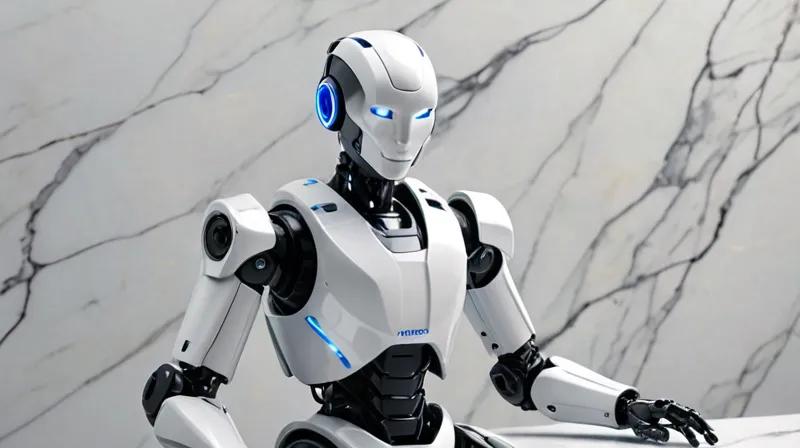
Plans for a humanoid robot named Sally to join a high school classroom in Salamanca, New York, have been put on hold after significant pushback from state officials and teachers' unions. The robot, equipped with silicone skin and long brown hair, was set to debut in the fall but now sits in limbo following a public outcry over its implementation.
Board Approval Meets Public Resistance
The Salamanca school board had quietly approved the robot’s integration in June, viewing it as a way to modernize education and engage students. However, the plan quickly spiraled into controversy as local educators and union representatives raised concerns about the robot’s role in the classroom. Critics argue that the robot could replace human teachers or undermine the importance of interpersonal learning experiences.
State and Union Concerns
State education officials and the local teachers' union have voiced strong objections, citing potential safety issues and the robot’s lack of emotional intelligence. The union, in particular, warned that such technology could be detrimental to student-teacher relationships, which are crucial for emotional and academic development. Additionally, some parents questioned the appropriateness of introducing such advanced technology in a high school setting, especially when budget constraints are already a concern for many districts.
What’s Next for Sally?
With the project paused, the school district is now reviewing its approach and engaging in further discussions with stakeholders. While the idea of integrating AI into education continues to gain traction across the U.S., this case highlights the challenges of balancing innovation with community concerns. The outcome of this debate could influence how other districts approach similar technologies in the future.