OpenAI is pushing the boundaries of how developers interact with AI agents by introducing a new hardware controller that moves away from traditional keyboard input. The company has partnered with keyboard manufacturer Work Louder to launch the Codex Micro, a compact device designed to streamline AI interaction through intuitive physical controls.
Revolutionizing AI Interaction
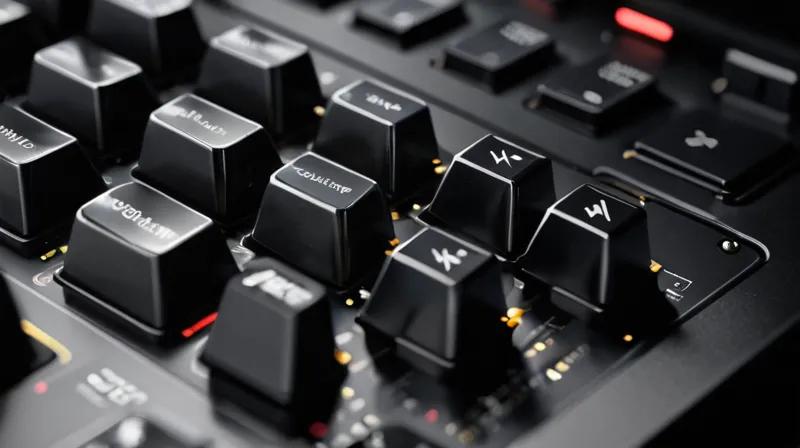
The Codex Micro features programmable buttons, a rotary knob, and multicolored LEDs, offering developers a more tactile and efficient way to command AI systems. Rather than typing out complex instructions, users can now navigate and control AI agents using physical inputs—similar to how one might operate a joystick in a video game. This shift reflects OpenAI's broader vision of making AI more accessible and intuitive for developers, especially as AI agents become more sophisticated and capable.
Implications for Developers
The device is particularly aimed at developers working with AI agents in complex environments, such as robotics, automation, and simulation. By reducing reliance on text-based commands, the Codex Micro could enhance precision and speed, allowing developers to fine-tune AI behavior with greater ease. The inclusion of LEDs and rotary controls also enables real-time feedback and dynamic adjustments, which could be especially useful in debugging or iterative development processes.
Looking Ahead
While still in its early stages, the Codex Micro signals a growing trend in AI development tools—moving from purely software-based interfaces to hybrid physical-software solutions. This move could influence how other AI companies approach human-AI interaction, potentially spurring innovation in hardware design for AI workflows. As AI systems continue to evolve, tools like the Codex Micro may become essential for developers who seek to harness AI's full potential in a more natural and efficient way.