Introduction
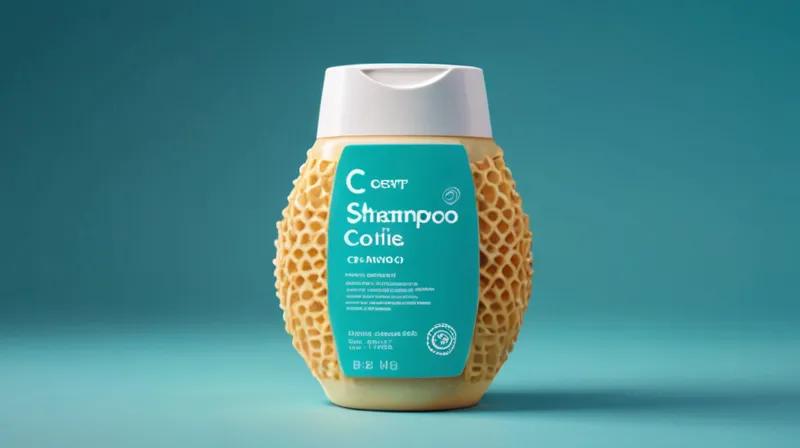
Imagine walking into your local grocery store and seeing shampoo, cookies, and other everyday products that look and work better than ever before. What if we told you that artificial intelligence (AI) is helping companies create these products faster and more efficiently? This isn't science fiction — it's happening right now in the world of consumer goods. Major companies like Procter & Gamble are using AI in their labs to revolutionize how they make the products we use every day.
What is AI in Product Development?
Artificial intelligence, or AI, is like giving a computer the ability to learn and make decisions on its own. In the context of product development, this means using AI to help scientists and engineers design new products or improve existing ones. Instead of relying solely on human trial and error, AI can analyze millions of data points to suggest better formulas, materials, or designs.
Think of it like having a super-smart assistant who knows everything about chemistry, physics, and manufacturing. This assistant can help scientists figure out how to make a shampoo that lathers better or a cookie that stays fresh longer — all without spending years testing different combinations manually.
How Does AI Work in the Lab?
AI works in product development by processing vast amounts of data from past experiments, research papers, and even real-world product performance. Scientists feed this information into AI systems, which then learn patterns and make predictions. For example, if a company wants to make a new laundry detergent, they can input data about the chemicals used in previous detergents, their effectiveness, and how they interact with different types of dirt.
The AI system can then suggest new combinations of ingredients that might work better — even combinations that human researchers might not have thought of. This process is called machine learning, where the AI system gets smarter the more data it sees.
It’s a bit like how a chef might use a recipe book to find the perfect mix of spices for a dish, but instead of reading a book, the AI reads millions of chemical formulas and product results to come up with the best new recipe.
Why Does This Matter?
This shift toward AI in product development matters because it makes the process faster, cheaper, and more efficient. Companies can bring better products to market faster, which means you get better products sooner. It also helps reduce waste by minimizing the number of failed experiments.
Moreover, AI helps companies understand how products behave under different conditions — like how a shampoo reacts in hard water or how a cookie holds up in different temperatures. This ensures that products are not only good but also reliable and safe for consumers.
Key Takeaways
- AI is being used by big consumer companies to design and improve everyday products like shampoo and cookies.
- AI helps scientists by analyzing huge amounts of data to find better ingredient combinations and product designs.
- This approach speeds up development, reduces waste, and leads to better, more reliable products.
- Think of AI as a smart assistant in the lab that learns from past experiments and helps create better formulas.
In simple terms, AI is helping companies in the everyday goods industry become more creative, efficient, and innovative — all while making the products you use every day even better.