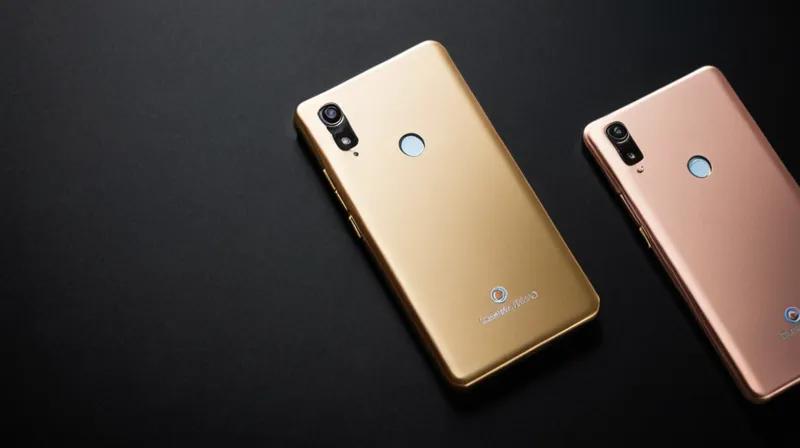
SpaceX has unveiled a sleek AI-powered smartphone prototype to a select group of investors, signaling a major step toward the company's ambitious vision of integrating artificial intelligence into everyday mobile devices. The device, which is reportedly thinner than an iPhone, is designed to showcase the potential of xAI technology, a suite of AI tools developed by Elon Musk’s team.
Thin Design, Powerful AI
The prototype smartphone is built around a Qualcomm Snapdragon chip and runs on a custom operating system, emphasizing both performance and efficiency. Unlike traditional smartphones, this device is being positioned as a platform for an "everything app", a concept inspired by China’s popular WeChat, which bundles messaging, social media, payments, and other services into a single interface.
Musk's AI Ambitions
Elon Musk’s broader goal is to create a unified AI experience that transcends traditional app boundaries. By integrating xAI technology into a mobile device, SpaceX is aiming to lay the groundwork for a future where AI serves as the primary interface for digital interaction. The company’s approach suggests a strategic move to compete with tech giants like Apple, Google, and Meta, who are also heavily investing in AI-driven platforms.
What’s Next?
While the prototype is still in early development, its presentation to investors indicates that SpaceX is serious about entering the smartphone market. The company’s next steps will likely involve refining the hardware and software, as well as navigating regulatory and competitive challenges. Whether this device will eventually reach consumers remains to be seen, but it underscores the growing convergence of AI and mobile technology.