Understanding AI-Generated Art and Copyright Law
Introduction
Imagine you have a robot that can draw pictures or create music. Now, what happens if that robot makes something that looks like a painting by Van Gogh or a song that sounds like a Beatles track? Does the robot get credit for the artwork, or does the person who owns the robot get the credit? This is a question that has been debated in courts across the United States, and it's connected to a big idea in technology and law: copyright.
What is Copyright?
Copyright is like a special permission slip that protects the work of artists, writers, musicians, and other creators. When someone creates something original, like a painting or a story, copyright law gives them the exclusive right to decide who can use that work and how. It's similar to having a key to your house - only you can let people in, and you can decide who gets to come in and what they can do once they're there.
Copyright doesn't just protect the final artwork, but also the creative process. For example, if you write a book, copyright protects both your finished book and your original ideas and methods of writing. This protection encourages creativity because creators know their work will be protected from being copied without permission.
How Does AI Fit Into This?
Artificial Intelligence (AI) is like teaching a computer to think and learn. When we teach an AI to create art, we're giving it information and rules to follow, but the AI itself doesn't have a creative mind like humans do. Think of it like teaching a robot to draw a picture. You might give it instructions like "draw a red circle" or "draw a tree with green leaves," but the robot isn't actually creating the idea of a tree or deciding what colors look good together. It's just following the rules you gave it.
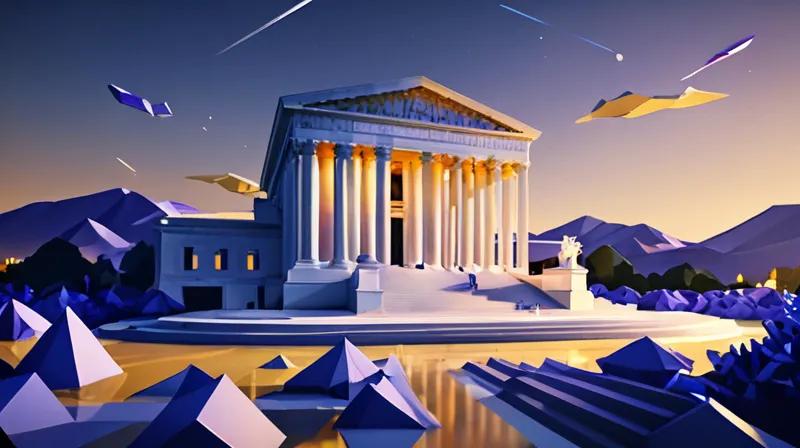
When AI creates something new, like a painting or a song, the question becomes: who gets the copyright? Is it the person who programmed the AI, or the AI itself? This is the exact question that the Supreme Court has decided not to answer.
Why Does This Matter?
This issue matters because it affects how we think about creativity and ownership in the digital age. If AI-generated art can't be copyrighted, then anyone can copy and use it freely, which could hurt artists who spend time and effort creating their own work. On the other hand, if AI can be given copyright, it might mean that the robot itself gets to make decisions about how its creations are used, which is a very strange idea indeed.
Think about it like this: if you teach your child to cook, and they make a delicious meal, who gets the credit for the recipe? Is it you, the parent who taught them, or is it the child who actually made the meal? This is the same kind of puzzle that the courts are trying to solve with AI-generated art.
The decision not to hear this case means that the lower courts' rulings will stand, which means that AI-generated art is likely not eligible for copyright protection. This decision helps maintain the traditional understanding that copyright is only given to human creators, not machines.
Key Takeaways
- Creative works are protected by copyright law, which gives creators exclusive rights to their work
- AI is a computer system that can be trained to create things, but it doesn't have human creativity or consciousness
- Copyright law currently only protects works created by humans, not by machines or computers
- The Supreme Court has decided not to hear this specific case, so current laws will remain in place
- This issue highlights the growing tension between technology and traditional legal frameworks
As AI continues to advance, we can expect more questions like this one. The legal system is still learning how to handle these new challenges in technology and creativity.