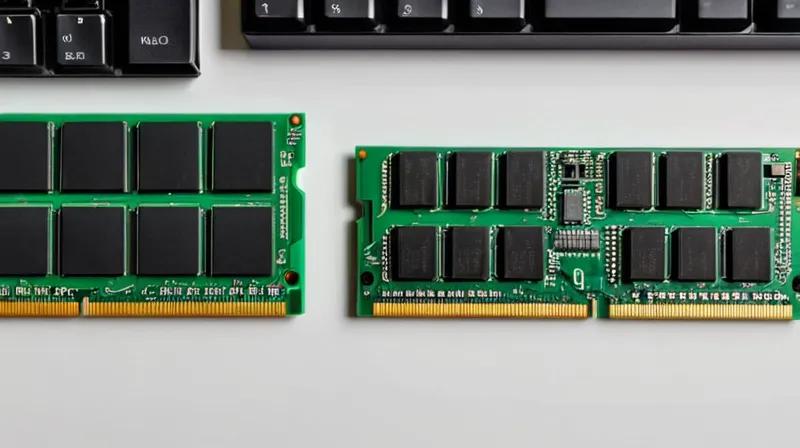
The global AI boom has triggered a dramatic escalation in memory prices, extending its reach to legacy components that were thought to be out of the spotlight. According to market intelligence firm TrendForce, DDR2 memory prices have surged by 55 to 60 percent in the second quarter of 2026, with forecasts indicating a further 35 to 40 percent increase in the third quarter. DDR2, a standard introduced in 2003 and largely phased out in favor of newer technologies like DDR4 and DDR5, is now experiencing unprecedented demand due to its continued use in older systems and specialized applications.
Legacy Components Under Pressure
Despite being over two decades old, DDR2 modules are still being used in industrial systems, embedded devices, and legacy servers that haven't been upgraded. The unexpected revival of demand has caught manufacturers off guard, exacerbating existing supply chain issues. "The AI memory crisis has now reached even the most outdated DRAM standards," said a TrendForce analyst. This shortage is not just a matter of supply and demand but also reflects the broader fragility of global semiconductor supply chains, which are still recovering from years of disruptions.
Implications for the Industry
The surge in DDR2 prices highlights the ripple effects of AI’s insatiable appetite for memory. As companies race to deploy AI models and large language models, they are driving up demand for all types of memory, even those considered obsolete. This trend may prompt some manufacturers to reconsider production timelines for older memory standards, potentially leading to more long-term supply constraints. For businesses relying on legacy hardware, the situation could mean significant cost increases and potential operational delays.
As the AI landscape continues to evolve, this development underscores the importance of supply chain resilience and the need for forward-looking strategies in memory procurement. Companies may need to balance upgrading infrastructure with managing costs in a market where even old technologies are becoming scarce.