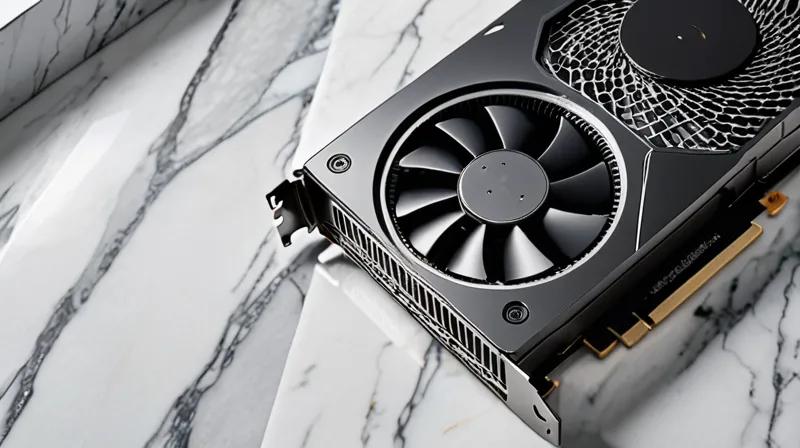
Despite high expectations following President Donald Trump's visit to Beijing and the presence of Nvidia CEO Jensen Huang at the Trump-Xi summit, the long-awaited deal to export Nvidia's H200 chips to China remains stalled. The summit, which took place in early 2026, was seen as a potential turning point in U.S.-China trade relations, especially in the tech sector. However, as of the latest reports, no H200 chips have been shipped to China since Trump first authorized the sales in December 2025.
Unfulfilled Promises and Diplomatic Tensions
The lack of shipment has raised questions about the true intentions behind the summit's discussions and the U.S. government's approach to semiconductor exports. While Trump made optimistic comments about the potential for new trade deals, his administration has remained firm in its stance on restricting access to advanced AI hardware. U.S. Trade Representative Jamieson Greer confirmed to Bloomberg that the government is still reviewing the export controls, indicating that the decision has not been finalized.
The H200, designed for AI training and data center applications, is considered a key component in the global race for artificial intelligence dominance. China's tech sector has been eager to acquire such hardware, but U.S. export restrictions continue to act as a major barrier. The stalled deal underscores the delicate balance between geopolitical strategy and commercial interests in the global tech landscape.
Implications for the Global AI Race
Analysts suggest that the delay could have long-term implications for China’s AI development, potentially slowing progress in areas like machine learning, natural language processing, and large-scale data analytics. Meanwhile, the U.S. continues to leverage its dominance in semiconductor manufacturing to maintain strategic advantages in the global AI ecosystem. The situation highlights the growing tension between economic cooperation and national security in the tech industry.
As both nations navigate this complex relationship, the H200 export saga serves as a stark reminder of how geopolitical dynamics can shape the future of innovation and technology access worldwide.