Introduction
Imagine you bought a brand-new smartphone four months ago, and now the same model costs nearly 70% more. That's exactly what's happening with Microsoft's Surface computers, and it's not just a coincidence. This price surge is happening because of a fundamental shift in the tech world - a shift that's making computer memory and storage incredibly expensive. Let's break down why this is happening and how it's affecting the tech industry.
What is Memory and Storage?
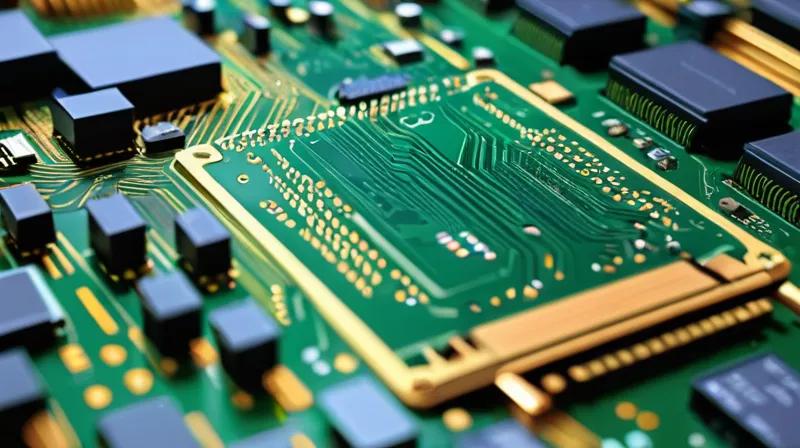
Think of your computer like a busy office. The memory (also called RAM) is like the desk space where employees work right now - it's where active tasks are handled. The storage is like the filing cabinets where you keep all your documents for safekeeping. When you open a program, it loads into memory so you can use it quickly. When you save files, they go into storage.
For computers, memory and storage are the two most important parts that determine how fast and powerful they are. But here's the catch: these components are made from materials that are becoming increasingly rare and expensive to produce.
How Does This Price Increase Happen?
Let's use a simple analogy: think of memory and storage like gold and silver. When the price of gold goes up, everything that uses gold becomes more expensive. The same thing is happening with computer components.
Several factors are driving up the cost of memory and storage:
- Supply and demand: There's a global shortage of memory chips because demand is skyrocketing while production capacity hasn't caught up
- Manufacturing complexity: Making memory chips is incredibly complex and requires specialized factories with extremely clean environments
- Raw materials: The materials needed to make these chips, like silicon and rare earth elements, are becoming scarcer
When manufacturers like Samsung, Micron, and SK Hynix raise their prices for memory chips, computer companies like Microsoft have to pay more to build their devices. It's like if a pizza shop had to pay more for cheese and tomatoes - they'd have to raise their prices too.
Why Is This Affecting Microsoft's Surface More Than Apple's MacBook?
Microsoft and Apple handle their supply chains differently. Apple has a very tight control over its entire supply chain, from design to manufacturing. They often have long-term contracts with suppliers, which helps protect them from sudden price spikes.
Microsoft, on the other hand, buys components from many different suppliers. When prices suddenly jump, Microsoft has less control over costs. It's like having a restaurant that sources ingredients from many different farms versus one that works with just one farm - the one with many sources is more vulnerable to price changes.
Additionally, Microsoft's Surface line is designed to be premium, so it uses more high-end memory and storage components, making it even more sensitive to price increases.
Why Does This Matter?
This situation affects all of us because:
- Consumer prices: When manufacturers have to pay more for components, they pass those costs onto consumers
- Industry innovation: Companies are forced to find creative ways to make cheaper, more efficient devices
- Supply chain resilience: It shows how interconnected and vulnerable global tech supply chains are
It's also a reminder that even the most advanced technology relies on basic materials and manufacturing processes that can be affected by global events, like wars, natural disasters, or economic shifts.
Key Takeaways
- Memory and storage are essential computer components that are becoming more expensive
- Price increases are caused by supply shortages, manufacturing complexity, and material scarcity
- Companies with tight supply chains (like Apple) are better protected from sudden price changes
- When component prices rise, consumers pay more for technology
- This situation highlights how interconnected and vulnerable global tech markets are
Understanding this helps explain why technology prices can change so dramatically and why companies must carefully manage their supply chains to keep prices stable for consumers.