Introduction
Imagine a robot that can transform itself from a factory worker into a warehouse picker, and then into a cleaning assistant - all without needing a complete redesign. This is exactly what a new company called Theker is working on, and they just raised $85 million to make it happen. This breakthrough in robotics is changing how we think about machines that can do many different jobs.
What is a Reconfigurable Robot?
A reconfigurable robot is like a LEGO set that can be taken apart and rebuilt into completely different shapes and functions. Unlike traditional robots that are built for one specific job - such as welding car parts or packing boxes - reconfigurable robots can change their physical structure to take on different tasks.
Think of it like a Swiss Army knife that can transform from a knife into a screwdriver, a pair of scissors, or a ruler. Each robot has the same basic components, but they can be rearranged and reprogrammed to perform different jobs.
How Does It Work?
These robots work through a combination of smart software and modular hardware. The software acts like a brain that tells the robot what to do and how to reconfigure itself. The hardware consists of standard building blocks that can be connected, disconnected, and rearranged.
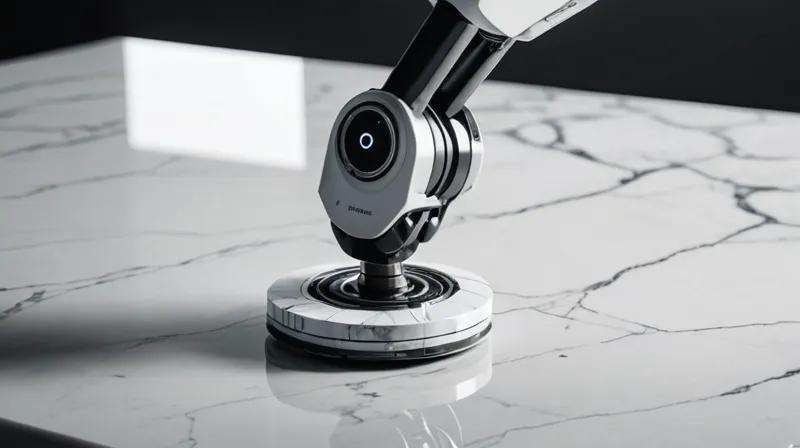
Here's how it works in practice: A robot might start as a machine that picks up heavy items. When it needs to move to a warehouse, it can reconfigure itself to have longer arms and different grippers. When it's time to clean a floor, it might change into a robot with a special cleaning head and wheels instead of legs.
Each part of the robot is designed to be interchangeable, much like how you can swap out different pieces of a toy to change its function. The key is that the robot's intelligence can adapt to whatever form it takes.
Why Does It Matter?
This technology could revolutionize manufacturing and logistics by making factories and warehouses much more flexible. Instead of having expensive robots that can only do one job, companies could have a few versatile robots that can handle multiple tasks.
For example, imagine a factory that produces different products each month. With traditional robots, the company would need to build new robot systems or rewire existing ones for each new product. With reconfigurable robots, the same machines could simply change their form to handle different production needs.
This flexibility also means companies can respond more quickly to changes in demand or new product lines. It's like having a toolbox that can be instantly reorganized to fit any job, rather than having to buy new tools for each specific task.
Key Takeaways
- Reconfigurable robots can change their physical shape and function, unlike traditional robots that are built for one specific job
- They use smart software and modular hardware to allow for quick reconfiguration between tasks
- This technology could make manufacturing and logistics much more flexible and cost-effective
- Companies could reduce the need for multiple specialized robots by using fewer versatile ones
- The technology represents a major shift toward adaptable, multi-purpose automation systems
Theker's $85 million funding shows that investors believe this approach to robotics has real potential to transform industries. As this technology develops, we might see robots that can seamlessly adapt to whatever job they're needed for, making our factories and workplaces more efficient and responsive to change.