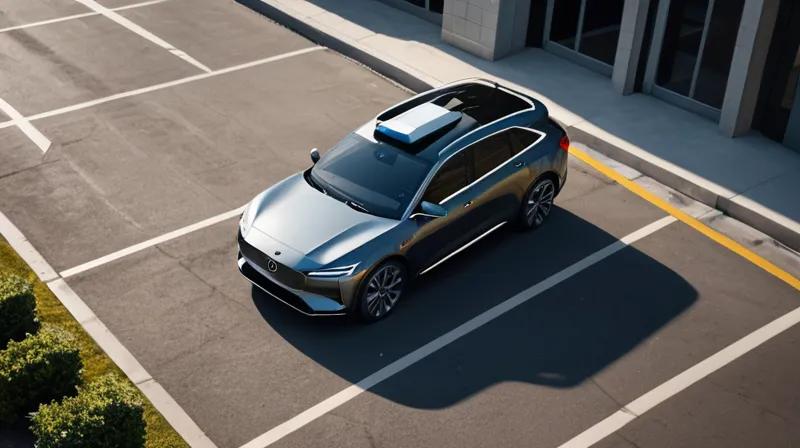
What Are Robotaxis and Why Are They Important?
Robotaxis are self-driving taxis that use artificial intelligence (AI) and advanced sensors to navigate roads without a human driver. Think of them as driverless cars that can pick you up and drop you off at your destination. These vehicles are part of a bigger technology trend called autonomous vehicles, which aims to make transportation safer, more efficient, and more accessible.
How Do Robotaxis Work?
Robotaxis use a combination of sensors, cameras, radar, and AI software to understand their environment. Imagine a robot with eyes (cameras), ears (sensors), and a brain (AI) that helps it make decisions. The sensors help the robot see obstacles, traffic lights, and other vehicles. The AI processes this information to decide when to stop, turn, or speed up.
For example, if a robotaxis sees a pedestrian crossing the street, its AI will process this information and decide to slow down or stop to avoid an accident. This is similar to how a human driver would react, but the robot does it much faster and without getting tired or distracted.
Why Are Robotaxis Being Tested in Las Vegas?
Las Vegas was chosen because it's a controlled environment with clear roads, predictable traffic patterns, and fewer weather-related complications. It's like a testing ground where companies can try out new technology before bringing it to more complex cities. The city also has a high concentration of tourists, making it easier for people to try the service and provide feedback.
Currently, these robotaxis still have a human safety operator sitting in the front seat. This is like having a co-pilot who can take control if something goes wrong. The goal is to eventually remove this human operator, which means the robot will be fully autonomous.
Why Does This Matter?
Robotaxis could change how we travel. They promise to reduce traffic accidents, which are often caused by human error. They could also make transportation more accessible for people who can't drive, like the elderly or disabled. Additionally, they might reduce the need for personal car ownership, which could help reduce traffic congestion and pollution.
However, there are challenges. For instance, robotaxis must be able to handle unexpected situations, like a child running into the street or a construction zone. They also need to work in all weather conditions and adapt to different road layouts.
Key Takeaways
- Robotaxis are self-driving taxis that use AI and sensors to navigate without human drivers.
- They work by combining cameras, radar, and AI software to understand and react to their surroundings.
- Las Vegas is being used as a testing ground for robotaxis because it's a controlled environment.
- Robotaxis could make transportation safer, more accessible, and more efficient.
- Companies like Uber and Motional are working to make robotaxis fully autonomous in the future.