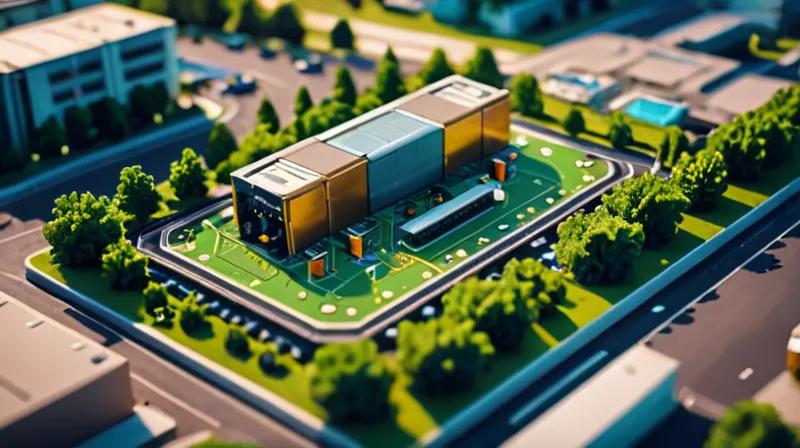
UPS is taking a major step forward in the integration of artificial intelligence within logistics operations by unveiling a real-time digital twin of its entire global network. The company announced this ambitious initiative at a recent event, highlighting how AI is transforming the way it manages its vast logistics infrastructure.
Real-Time Digital Twin for Global Operations
The digital twin system updates every 10 minutes, offering an accurate and dynamic model of UPS’s entire logistics ecosystem. This includes tracking facilities, air and ground transportation networks, and package flows from origin to destination. By creating a digital replica of its operations, UPS can monitor performance in real time and make rapid adjustments to optimize efficiency.
Self-Healing Network Through AI
UPS describes the system as capable of “self-healing,” meaning it can automatically detect disruptions and adjust operations accordingly. This agentic approach to logistics management is designed to reduce delays, minimize resource waste, and enhance overall service reliability. The company’s AI-driven network is not just reactive but proactive, anticipating potential bottlenecks and resolving them before they escalate.
Implications for the Future of Logistics
This move positions UPS at the forefront of AI adoption in supply chain management. As logistics networks grow more complex, the ability to model and control operations digitally becomes increasingly critical. UPS’s implementation could serve as a blueprint for other logistics companies looking to enhance their operational resilience and responsiveness. With the integration of AI and real-time data, the future of logistics is not just smarter—it’s more adaptive.