Understanding Soundbar Audio Processing for Sports
Introduction
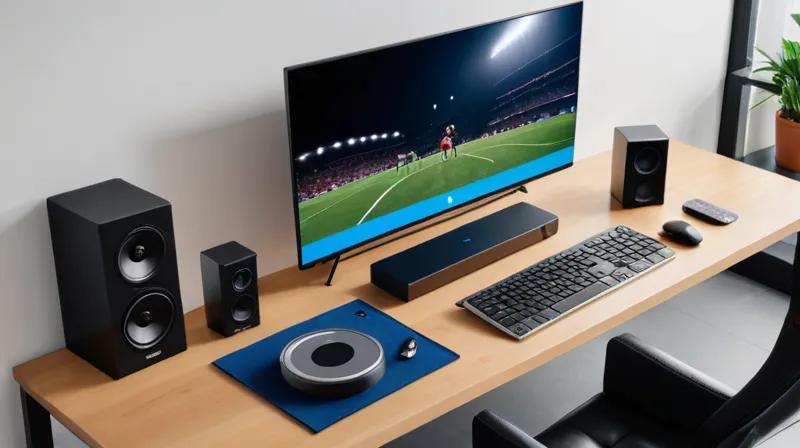
Have you ever noticed how your home entertainment system sounds different during live sports compared to movies or music? This happens because different types of content require different audio processing. Soundbars, which are long, flat speakers that sit in front of your TV, use special technology to adjust how they process sound. When watching live sports, these settings need to be changed for the best experience.
What is Audio Processing?
Audio processing is like having a smart assistant that automatically adjusts how sounds are made. Think of it like a chef who changes their cooking method depending on what they're preparing. Just as a chef might use different techniques for making soup versus making a cake, your soundbar uses different audio processing techniques for different types of content.
Soundbars have built-in computer chips that analyze the audio they receive and make smart decisions about how to improve it. These chips can adjust things like volume levels, sound effects, and even how voices are emphasized.
How Does Audio Processing Work?
Imagine you're at a football game. The crowd noise is loud, players are shouting, and the referee's whistle is sharp. Your soundbar needs to handle all of this at once. It uses something called dynamic range compression - think of it like a volume control that automatically adjusts itself. When someone shouts, it makes sure their voice isn't lost in the crowd noise, but when the crowd is quiet, it doesn't make the crowd sound too loud.
There are also equalization settings that adjust different sound frequencies. When watching sports, you might want more emphasis on voices and less on background music. It's like adjusting the sound on your headphones to hear your friend's voice better in a noisy room.
Why Does This Matter for Sports?
Live sports are different from movies or music because they have many sounds happening simultaneously. In a movie, the audio is pre-recorded and can be carefully balanced. But during live sports, everything is happening in real time - players are running, crowds are cheering, and announcers are talking.
When you watch sports on a soundbar, the default settings might make the crowd noise too loud, or the announcer's voice too soft. This is where the AI-powered audio processing comes in to help. It's like having a personal audio engineer who adjusts the sound while you're watching.
For example, if you're watching a basketball game, the system might boost the announcer's voice while reducing the crowd noise so you can clearly hear the play-by-play commentary.
Key Takeaways
- Soundbars use smart computer chips to automatically adjust audio settings
- Different types of content (movies, music, sports) need different audio processing
- Live sports require special settings to make voices clear and background sounds balanced
- These AI-powered systems improve your home entertainment experience
- Changing the soundbar settings specifically for sports makes watching more enjoyable
Understanding how your soundbar works helps you get the most out of your home entertainment system. It's not just about volume - it's about making sure you can hear every important sound clearly, whether that's a referee's whistle, a player's shout, or a commentator's voice.