Tag
8 articles
Japan's MediTech Solutions has developed a less intrusive nasal swabbing device that could revolutionize routine physical examinations by significantly reducing patient discomfort.
As healthcare embraces AI with enthusiasm, experts warn that the human element risks being overlooked in the rush toward automation. The key is to balance technological advancement with human-centered care.
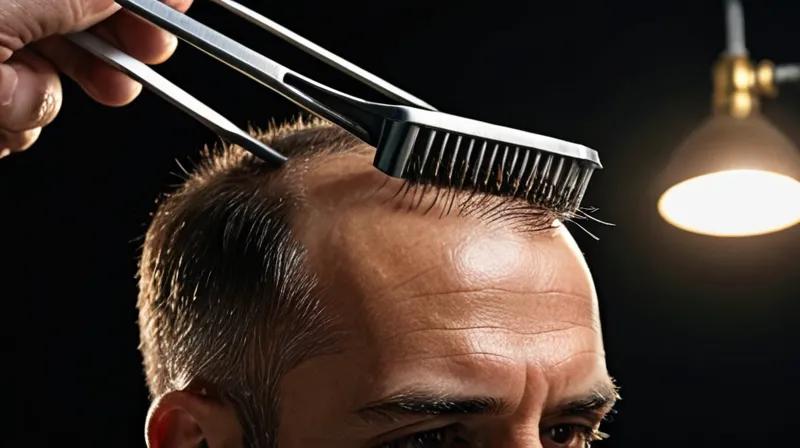
Turkey's hair transplant industry has transformed into a billion-dollar global leader through technological innovations like specialized motors and machine learning algorithms.
Boston Children's Hospital uses OpenAI technology to improve patient care, reduce operational burden, and help diagnose more than 40 rare disease cases.
HistoSonics has received regulatory approval from Taiwan’s Food and Drug Administration for its Edison Histotripsy System, a non-invasive cancer treatment using focused ultrasound.
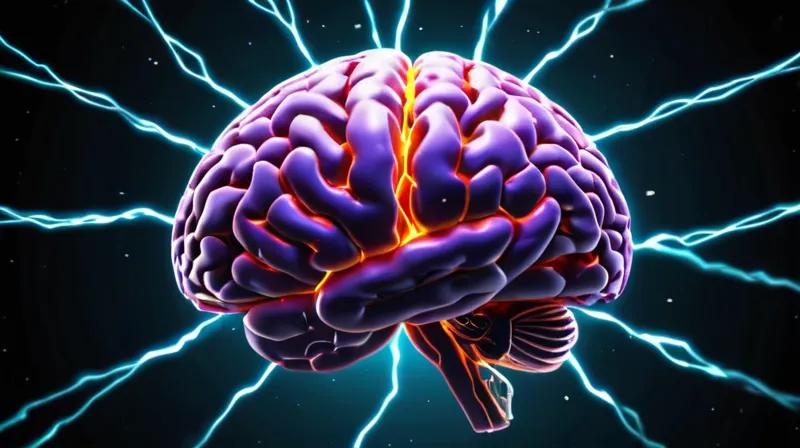
Max Hodak's Science Corp. is preparing to place its first sensor in a human brain, potentially revolutionizing treatment for neurological conditions. The device delivers gentle electrical stimulation to damaged brain or spinal cord cells to encourage healing.
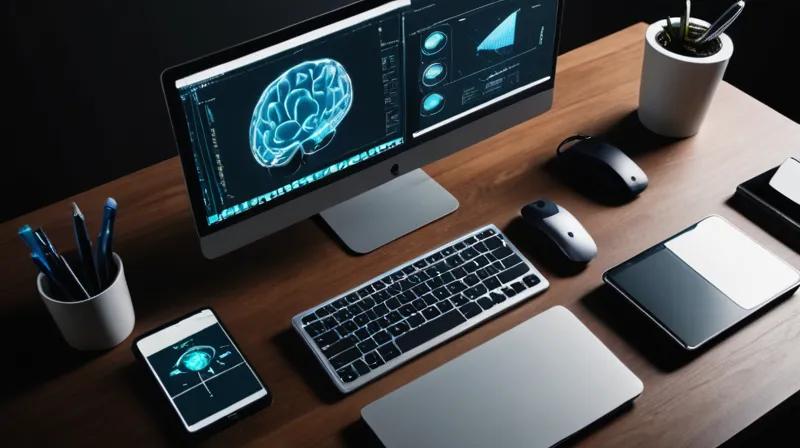
Learn how a new type of brain-computer interface could help people with paralysis control computers and robots using only their thoughts. This technology uses a soft, biohybrid sensor instead of traditional metal electrodes.
An AI system called DeepRare has outperformed experienced doctors in diagnosing rare diseases, according to a study published in Nature. The system integrates 40 specialized tools to analyze patient data and improve diagnostic accuracy.