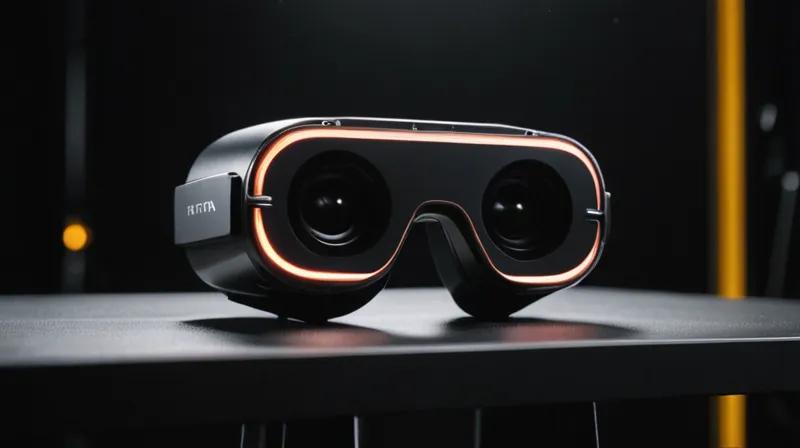
Meta has announced it will return the VR fitness app Supernatural to its creators, after a costly and contentious acquisition that involved an eight-month legal battle with the U.S. government. The move marks a significant shift for the company, which had invested $400 million and even had CEO Mark Zuckerberg testify in court to secure the deal in 2023.
The acquisition was part of Meta’s broader strategy to expand its presence in the virtual reality space, particularly in fitness and wellness applications. However, the company’s efforts to integrate Supernatural into its ecosystem faced regulatory hurdles, ultimately leading to the decision to let the app go. The app, developed by Within, had gained popularity for its immersive workout experiences in VR, attracting users with its unique blend of gaming and physical activity.
Analysts suggest the reversal could signal a broader reevaluation of Meta’s VR ambitions, especially as the company grapples with declining user engagement on its platforms and increased competition in the tech space. Meta’s decision to return Supernatural may also reflect a strategic pivot away from direct ownership of fitness apps, potentially favoring partnerships or licensing models instead. The move underscores the challenges tech giants face when attempting to acquire and integrate niche but innovative products into their larger ecosystems.
Within, the studio behind Supernatural, will now have full control over its future direction. This outcome is a rare example of a major tech company reversing a high-profile acquisition, and it raises questions about the long-term viability of Meta’s VR initiatives.