Tag
14 articles
Learn to build a Python monitoring system for Tesla Megapack energy storage systems, including API authentication, data retrieval, analysis, and visualization.
Despite high upfront costs, 91% of home battery owners would purchase again, citing significant energy savings and backup power benefits. Industry experts predict declining prices and increasing adoption as technology improves.
Sila has raised $300 million to scale up silicon anode production at its Moses Lake, Washington facility, supporting U.S. battery supply chain resilience. The funding round was led by Atreides Management and Sutter Hill Ventures.
Chinese scientist Lu Yaxiang has developed a sodium-ion battery that charges in just four minutes, potentially reducing China's heavy reliance on lithium. The breakthrough could revolutionize energy storage technology.
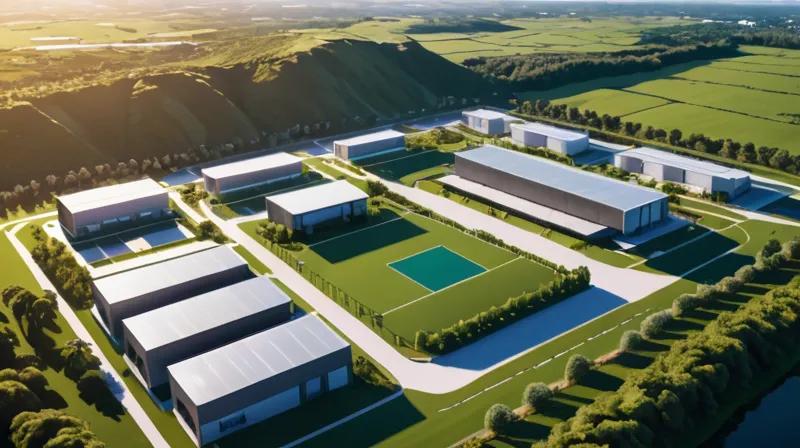
Honda is repurposing its Ohio EV battery factory for data center energy storage systems after canceling its electric vehicle plans. The move reflects the growing demand for energy storage solutions in the tech industry.
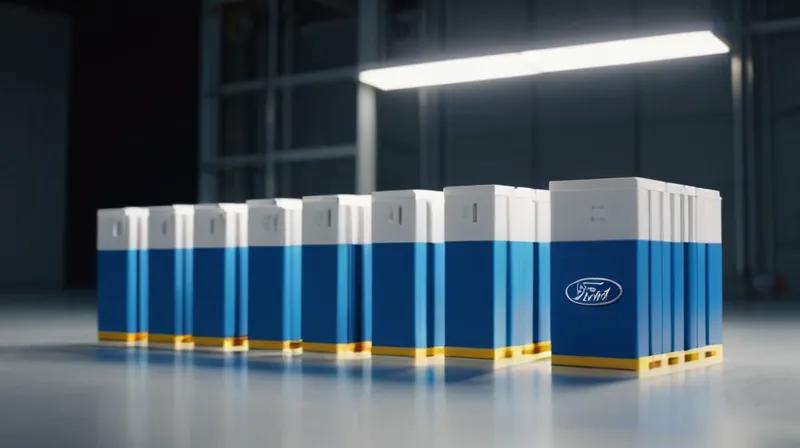
Ford has launched Ford Energy, a $2 billion subsidiary focused on manufacturing large-scale battery storage systems for data centers and utilities, repurposing a Kentucky plant originally built for EV batteries.
General Motors is expanding into energy storage with three new battery partnerships, signaling a strategic move beyond automotive applications.
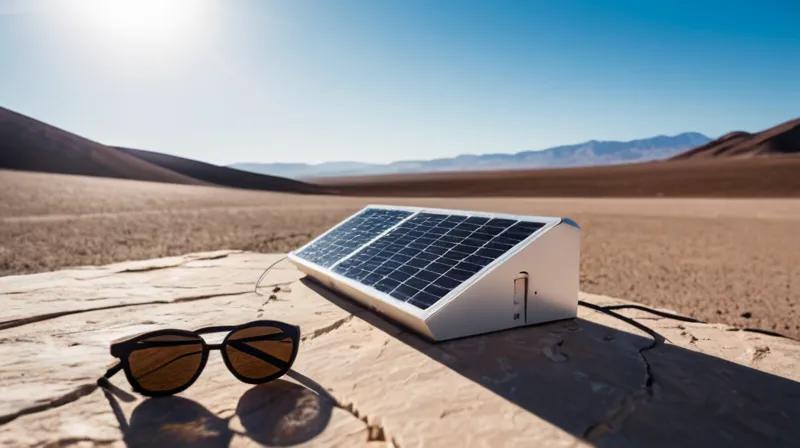
Learn to simulate a solar battery storage system like the one in Chile's Atacama desert using Python. This beginner-friendly tutorial teaches you how to model solar generation, battery charging, and power delivery.
SoftBank plans to manufacture large-scale batteries for AI data centers at a former Sharp plant in Osaka, with production beginning next April.
Decade Energy raises €22M to build power infrastructure for electric truck depots across Europe, focusing on battery energy storage systems (BESS).
After testing dozens of power stations, the Bluetti Apex 300 emerged as the top choice for powering an off-grid cabin. The unit's reliability and efficiency made it ideal for remote living.
EnerVenue has raised $300 million in Series B funding to bring NASA’s space-grade nickel-hydrogen battery technology to Earth, aiming to revolutionize energy storage for renewable energy systems.