Tag
11 articles
A Korean AI model called SafeDrive evaluates all possible driving paths before a vehicle moves, marking a significant advancement in autonomous vehicle safety and explainability. The system was highlighted at CVPR 2026.
Belgian startup Aidoptation has become the first in the EU to receive a Level 4 self-driving car permit, enabling highway testing at 120 km/h without AI.
Learn to build a basic simulation of autonomous vehicle behavior using Python and machine learning concepts, similar to the technology powering companies like Momenta.
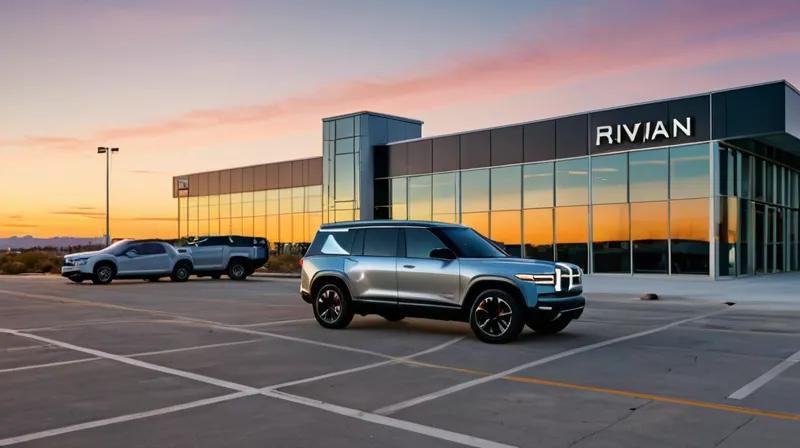
Rivian is facing a class action lawsuit over allegations that it made false promises about the autonomous driving capabilities of its first-generation vehicles. The suit claims the company misled consumers about hands-free driving features.
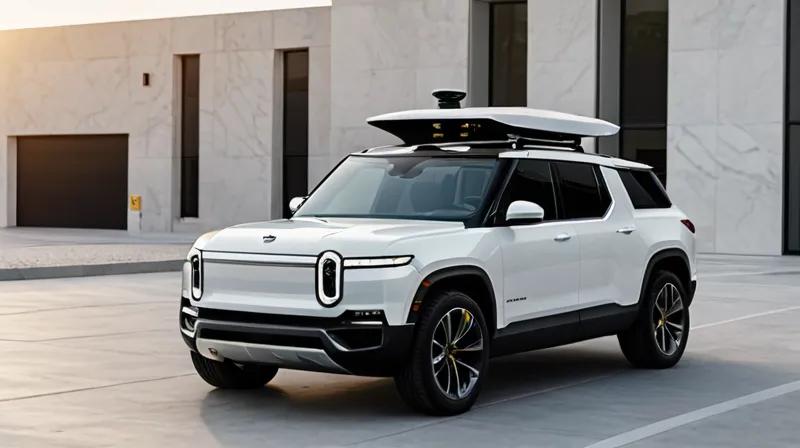
Rivian CEO RJ Scaringe claims supervised point-to-point self-driving will be available in all second-generation vehicles and the R2 by year-end, comparing it directly to Tesla’s FSD.
Tesla is under fire for providing misleading safety data to European regulators in its bid to expand Full Self-Driving capabilities. Independent researchers have criticized the company's self-published statistics as potentially deceptive.
This article explains the technical and ethical challenges behind Tesla's FSD system, focusing on training data quality, human trust, and the implications for autonomous driving development.
Tesla has finally launched its Full Self-Driving (FSD) system in China, marking a major step in its global rollout. The move comes after years of delays and regulatory hurdles, while rivals have already begun offering autonomous driving services in the country.
Learn how self-driving cars work, what technology powers them, and why they matter for the future of transportation.
Over 100 Baidu Apollo Go robotaxis froze mid-traffic in Wuhan, raising serious concerns about the reliability and safety of autonomous vehicle fleets.
Learn what robotaxis are, how they work, and why they matter for the future of transportation.